
Inside Hackney's Oldest House
The Fascinating History of Sutton House, built 1535
Hello London history lovers,
Last week I had the immense pleasure of talking at London Art Fair, the event was about celebrating our favourite National Trust properties and I thought I’d champion Sutton House, the oldest house in Hackney.
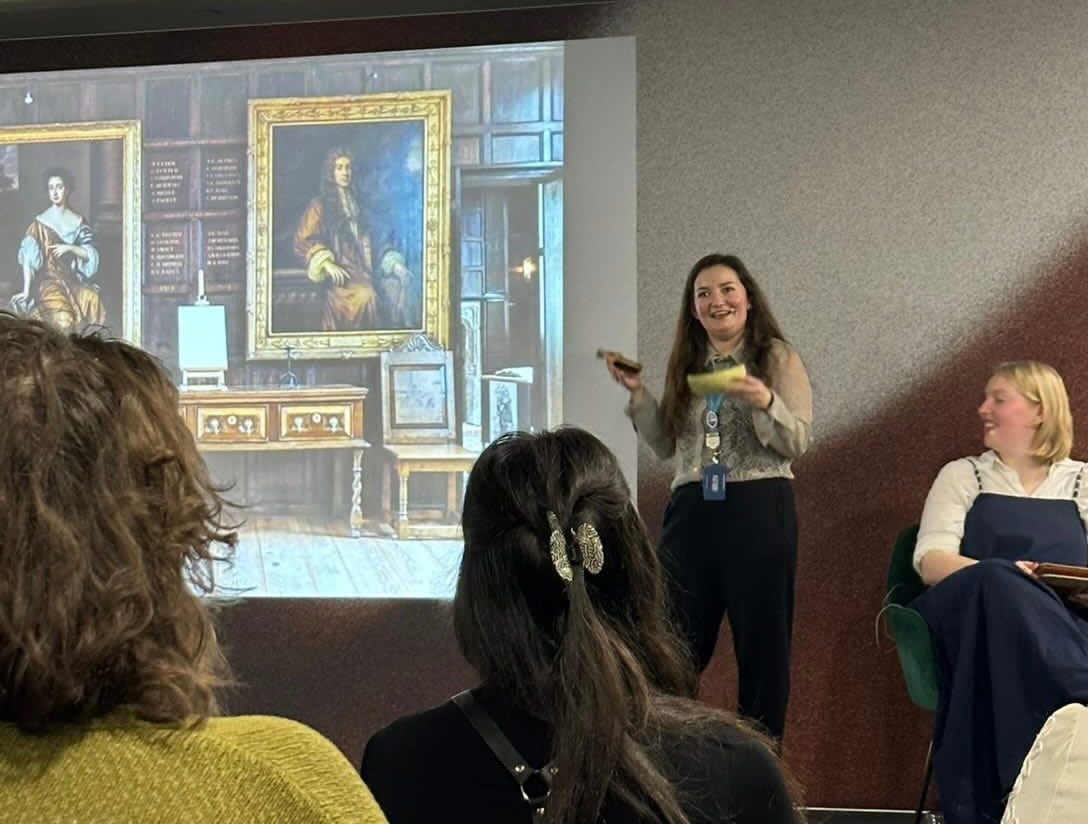
While putting the talk together, I thought it was a good opportunity to deep dive into the fascinating history that makes this Tudor home such a wonderful place to visit.
(You can read all about it after this short message…)
At the London Archives
A few months back I filmed a video with the City Bridge Foundation all about their astonishing collection, now held at the London Archives.
City Bridge Foundation looks after the five Thames bridges within the City of London and has a history going back to at least 1122!
I hope you enjoy watching. It’s about 8mins long…
April Walking Tours
(Click on the walk names to book)
Saturday 11 April, 11am - City Secret GardensSaturday 11 April, 2pm - Smithfield: Guts and Glory - SOLD OUTSunday 12 April, 11am - A Tale of Two Deptfords - SOLD OUT
Sunday 12 April, 2pm - Feminist Jack the Ripper - 1 space left
Sunday 19 April, 11am - City: Power and SacrificeSunday 19 April, 2pm - Wapping: Pioneers and Pirates - SOLD OUT
Saturday 25 April, 11am - Fleet Street Secrets
Saturday 25 April, 2pm - Bankside Behaving Badly
I also have public walks for May on sale on the website.
Inside Hackney’s Oldest House
Sutton House is one of the few surviving Tudor houses in London. It was continually lived in for 450 years and a visit takes you through the history of London in one single building.
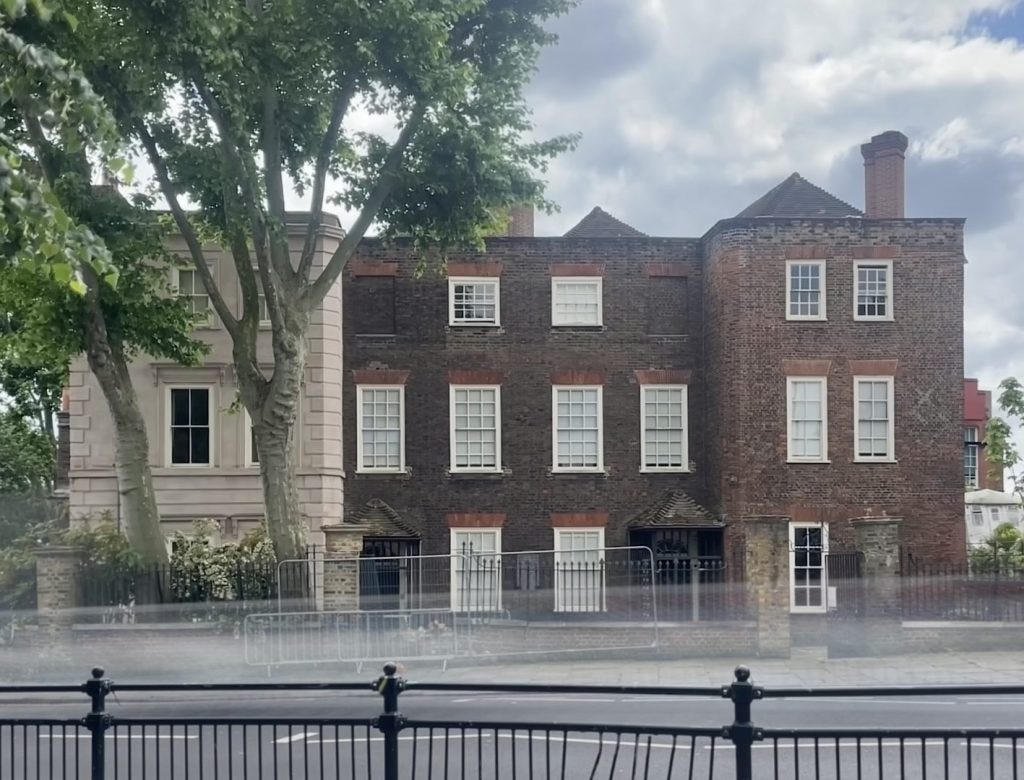
Viewed from the main road, Homerton High Street, the facade is Georgian but hides a private Tudor mansion. It’s been a home to diplomats and merchants as well as a school, club (and even a squat!) but today it’s owned by the National Trust.
This is its incredible story.
The ‘Bryk Palace’, a Tudor Manor House
Sutton House first appears as the “Bryk Palace”, built around 1535.
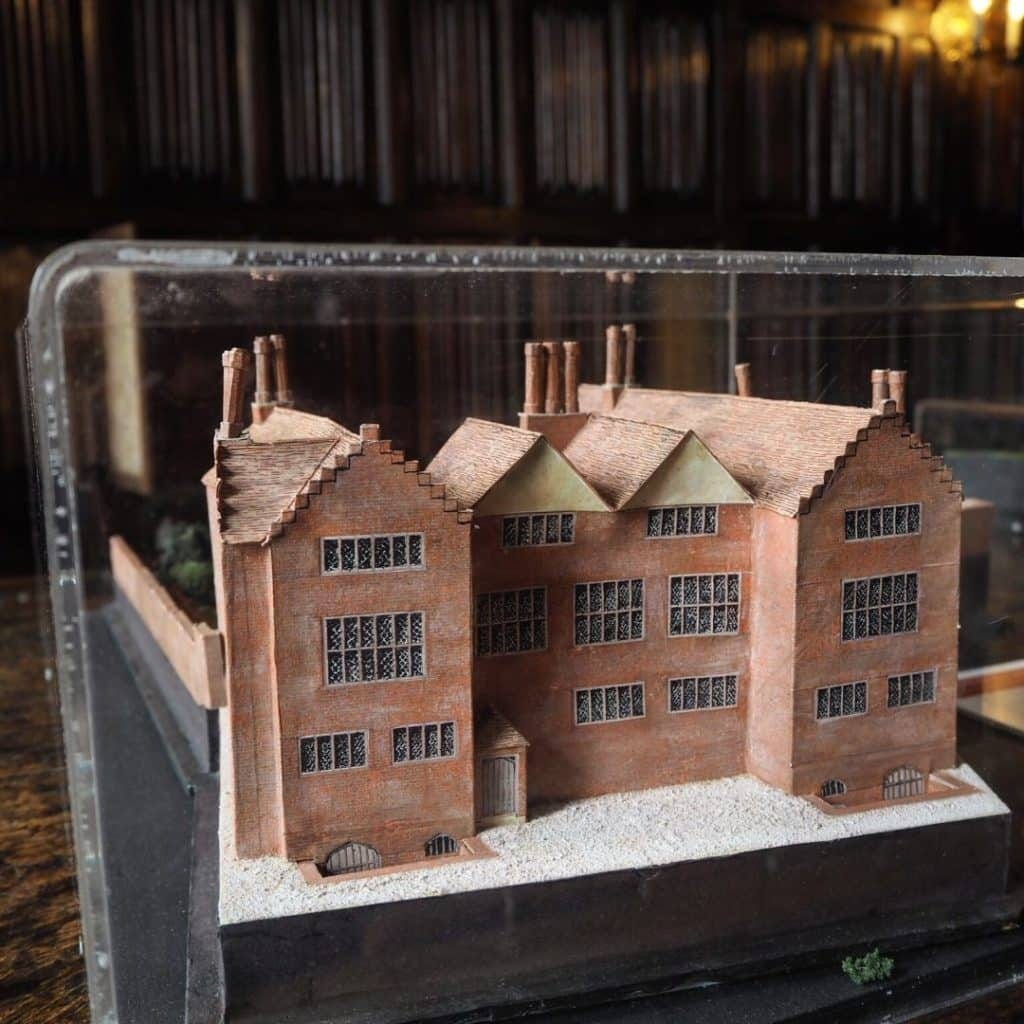
Today, celebrating a London building thanks to its bricks seems bizarre, but during the Tudor period, bricks were a pioneering, new material. This unusual choice tells us that the person who wanted this house must be somebody noteworthy and important.
Enter Ralph Sadler, an ambitious Tudor man on the make. He was placed into the household of Thomas Cromwell as a young boy, possibly as young as 7, and eventually became Cromwell’s secretary.
Aged 28, Ralph built the Brick House as an impressive home in the wealthy suburb of Hackney.
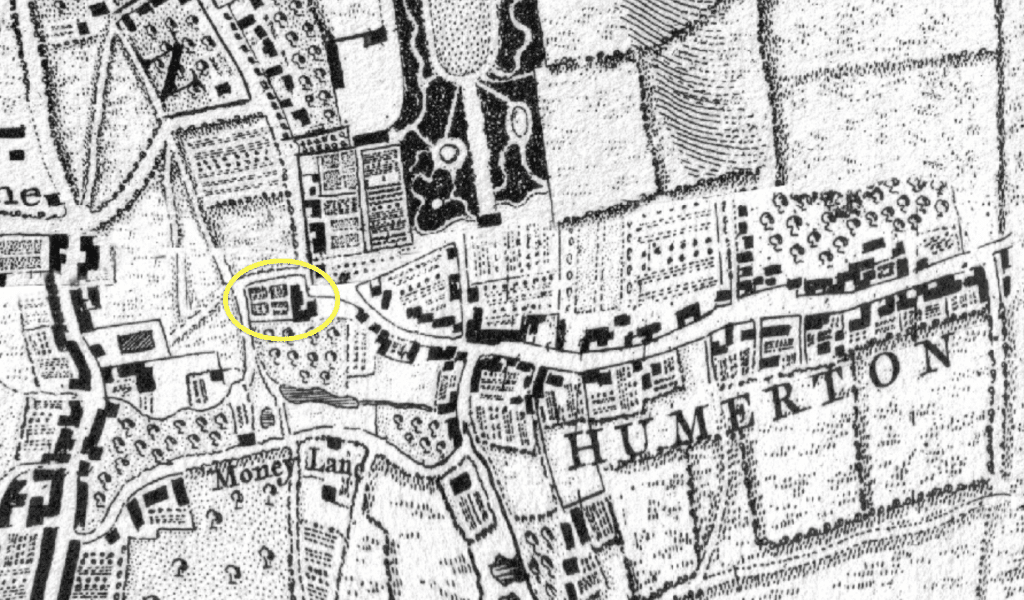
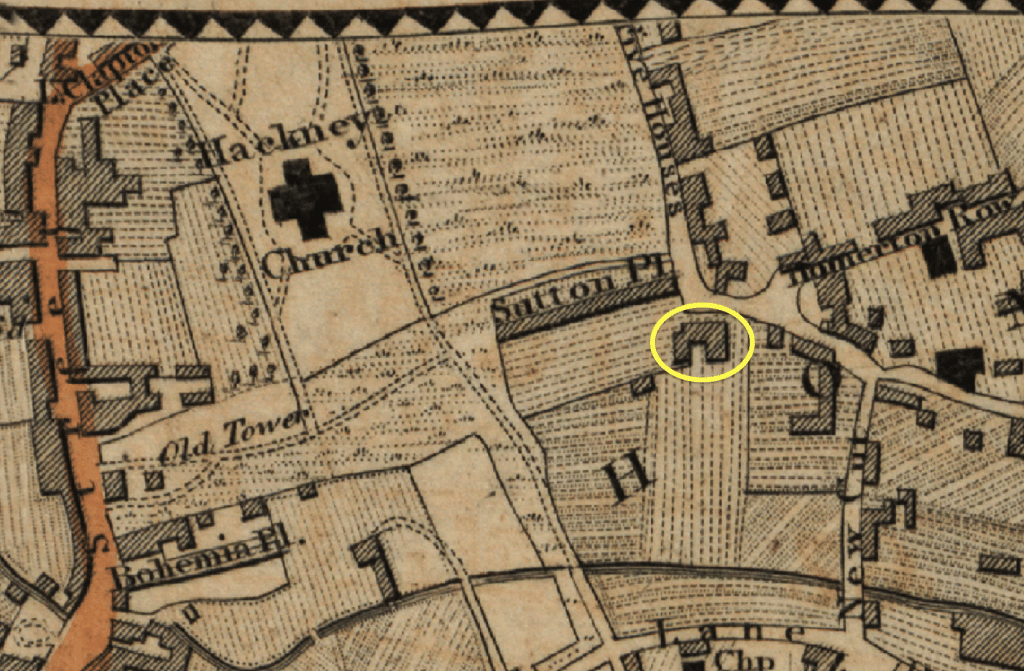
On the John Rocque map you can see one grand house which I’ve circled in yellow below but this has caused a bit of confusion.
Why is it Called Sutton House?
A fair question might be why is it known as Sutton House and not Sadler House?
The Sutton in question is Thomas Sutton, founder of Charterhouse School and almshouses which still survive near Smithfield.
Thomas Sutton (1532-1611) lived in Tan Place, another Hackney Manor House close by, but this was demolished in 1806 and a Georgian terrace now stands on the site.
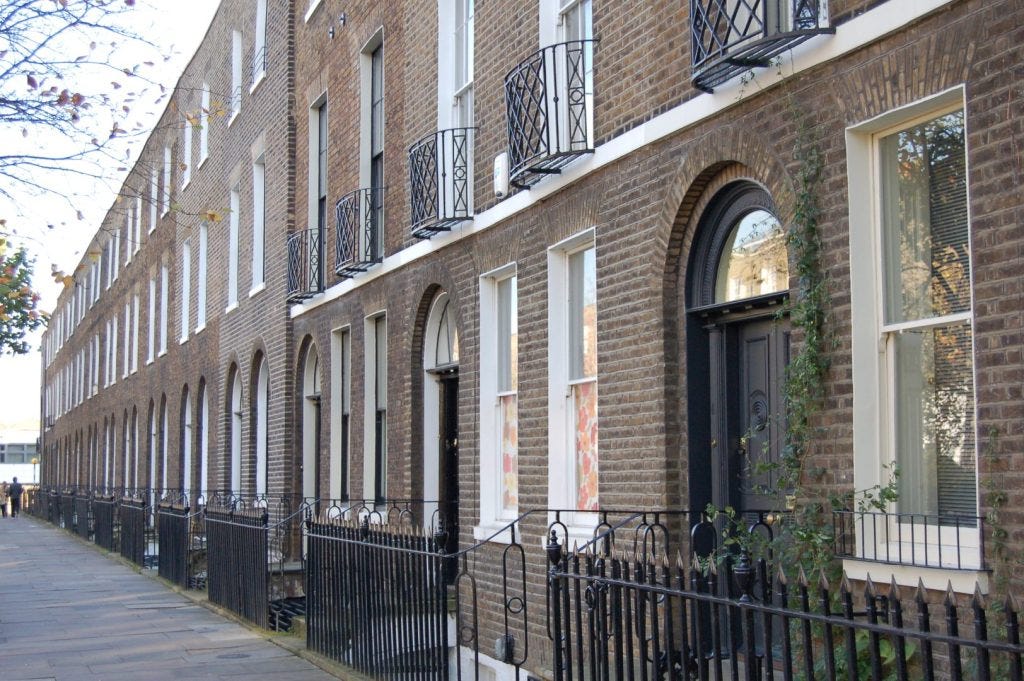
You can appreciate the confusion when looking at the proximity of the terrace (named Sutton Place) on the 1828 map below where I have circled the present-day Sutton House.
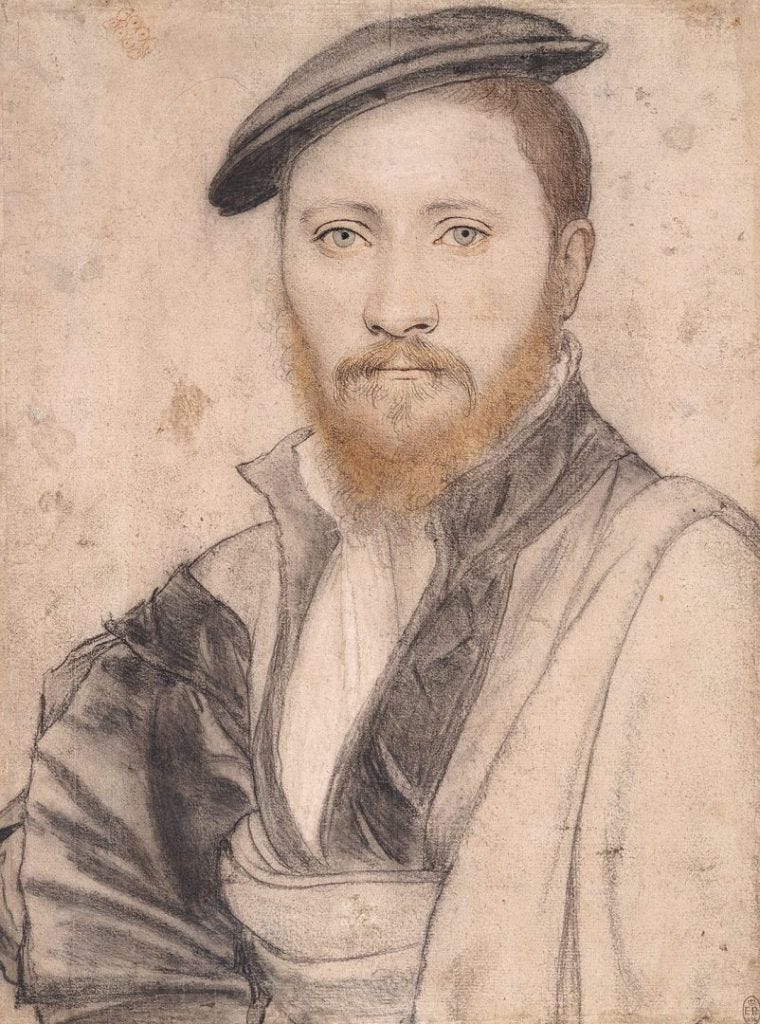
Ralph Sadler (1507-1587)
Ralph was newly married when he moved into Sutton House in 1535. His wife, Helen Barre (sometimes known as Ellen Barre) was a laundress working in Thomas Cromwell’s household and it was a love match.
They would go on to have seven children but disaster struck in 1545 when Ellen’s former husband (presumed dead) returned! It’s testament to Sadler’s intelligence and powerful connections that he was able to weather this potential scandal.
Now a Member of Parliament, Sadler successfully pushed through an Act of Parliament which said that any husband abandoning his wife for over seven years meant she could legally remarry, enabling them to stay legally married and for their children to be legitimate. This law has remained part of the English legal system even today.
This wouldn’t be the only tricky situation that Sadler managed. He lived through one of the most tumultuous times in England history, helping Thomas Cromwell manage the dissolution of the monasteries then facing imprisonment in the Tower of London when Cromwell fell from King Henry VIII’s favour.
Read all about Cromwell’s time in London here.
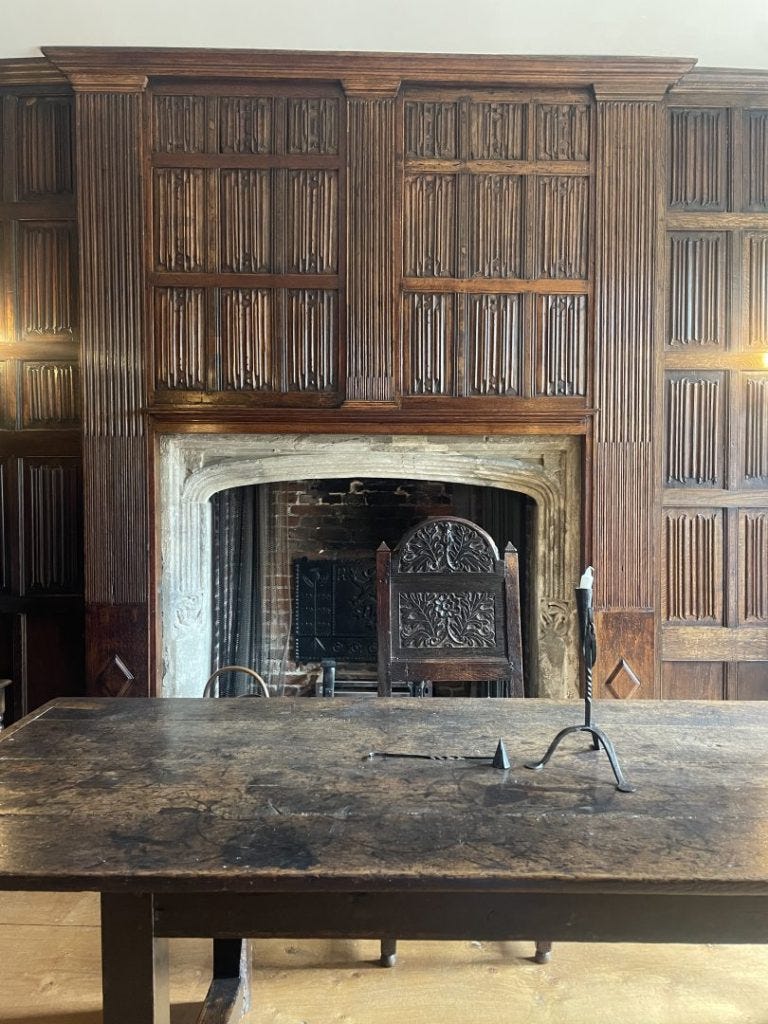
Stepping into Sutton House’s Linenfold Parlour – thought to have been used as Sadler’s office – it’s hard not to feel the weight of the world on his shoulders as he may have sat at this desk plotting and scheming.
After Thomas Cromwell was executed in 1540, Sadler was promoted into his former boss’ job. He rose through court ranks, serving on the advisory council to Henry’s son, the Young King Edward VI.
In 1550 he sold Sutton House to John Machell (1508-1558) and moved to Standon in Hertfordshire where he is buried in St Mary’s Church.
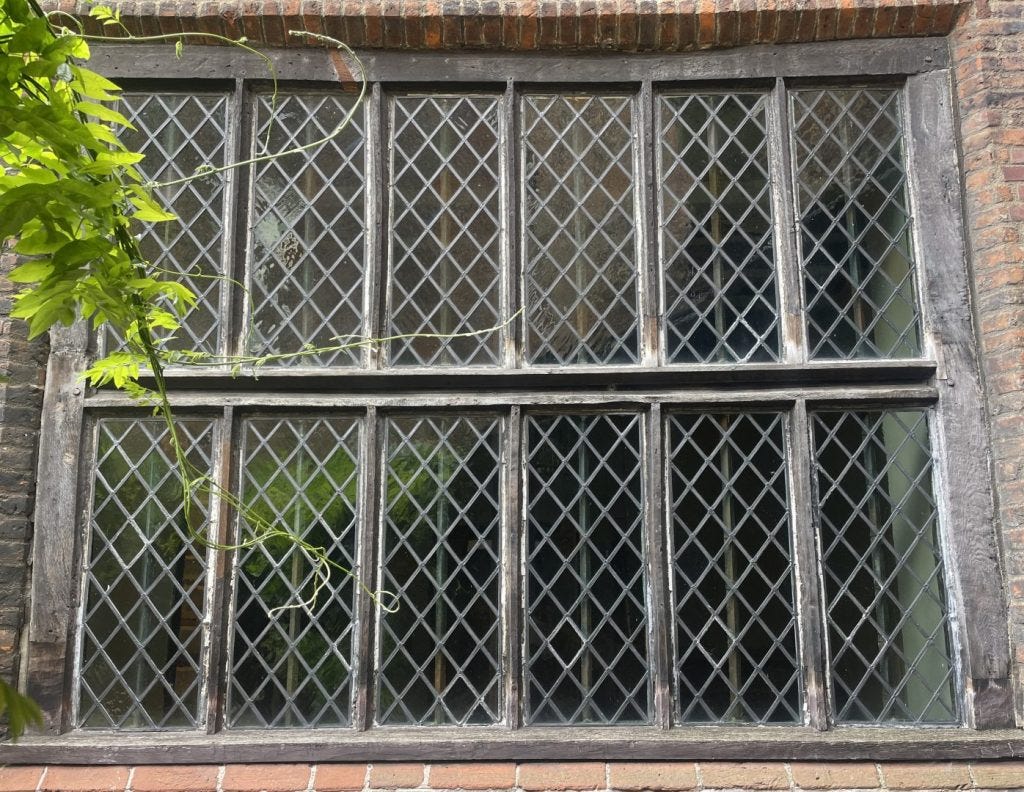
One of the most atmospheric features of Sutton House is this Tudor window.
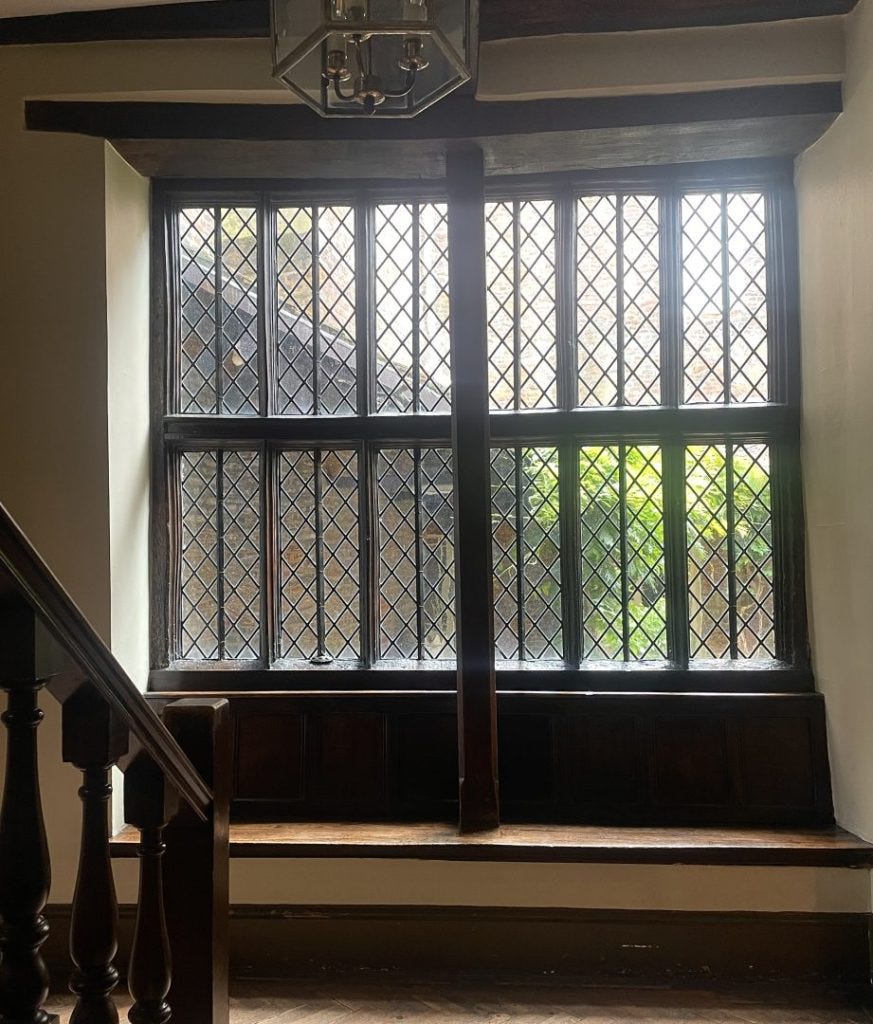
Known as the Armada window thanks to a myth that the wood was from ship’s timbers during the Spanish Armada (1588). Carbon dating has proved that in fact the window dates from the 1530s and is contemporary with the original Brick House.
It shows a rare surviving diamond pattern of lead glass work, given that larger panels of glass had not yet been invented.
You feel a bit like a time traveller looking through the same glass that Sadler and countless others have gazed out through over the centuries.
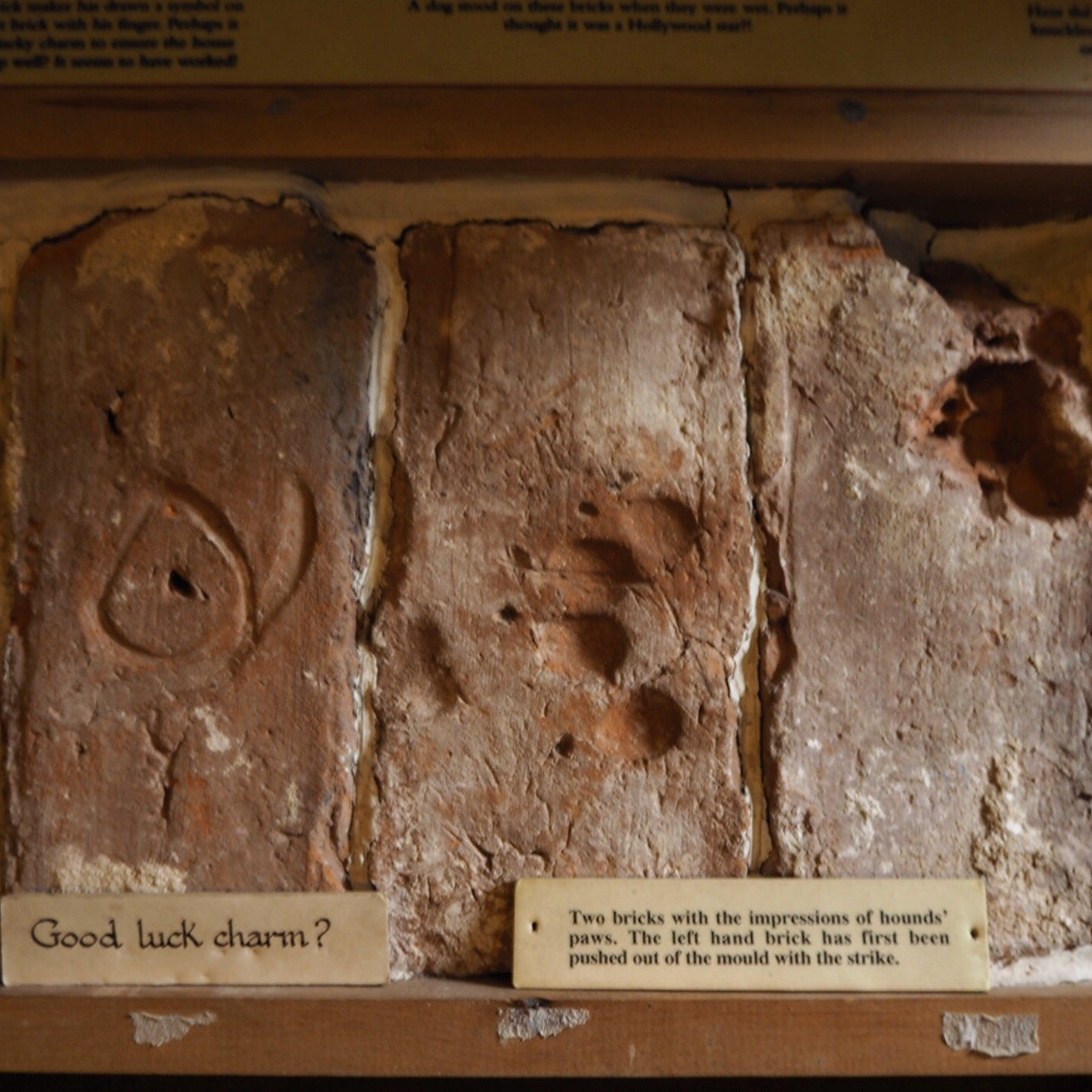
Another incredible survivor is the Tudor Kitchen where you can find a wonderful detail of a brick with a fresh paw print from a dog. This glimpse back into normal Tudor life was quoted as a big inspiration for Hilary Mantel when she was interviewed on BBC Radio 4:
‘I went down to the basement, and there you can see the old Tudor bricks, so small, irregular bricks and in one of them you can see the print of a dog’s paw and that means, when those bricks were drying, and Thomas More was still alive and Anne Boleyn was Queen, one morning, a dog ran over the drying bricks…and you’re right there, in the moment and it becomes real to you in a way that pictures and documents…they could never transform the moment like that.’
The Linenfold Parlour
This type of panelling was very popular in Tudor England but was probably only installed during John Machell’s time. Carbon dating has shown that the wooden panels predate the building of the house in the 1530s and therefore were probably brought from a previous home as they were such a valuable decorative feature that took a long time to make.
An interesting feature is that you can peer behind some of the linenfold panels (see above) to reveal a temporary but of Tudor DIY where paintings of the linenfold panels appear on the walls.
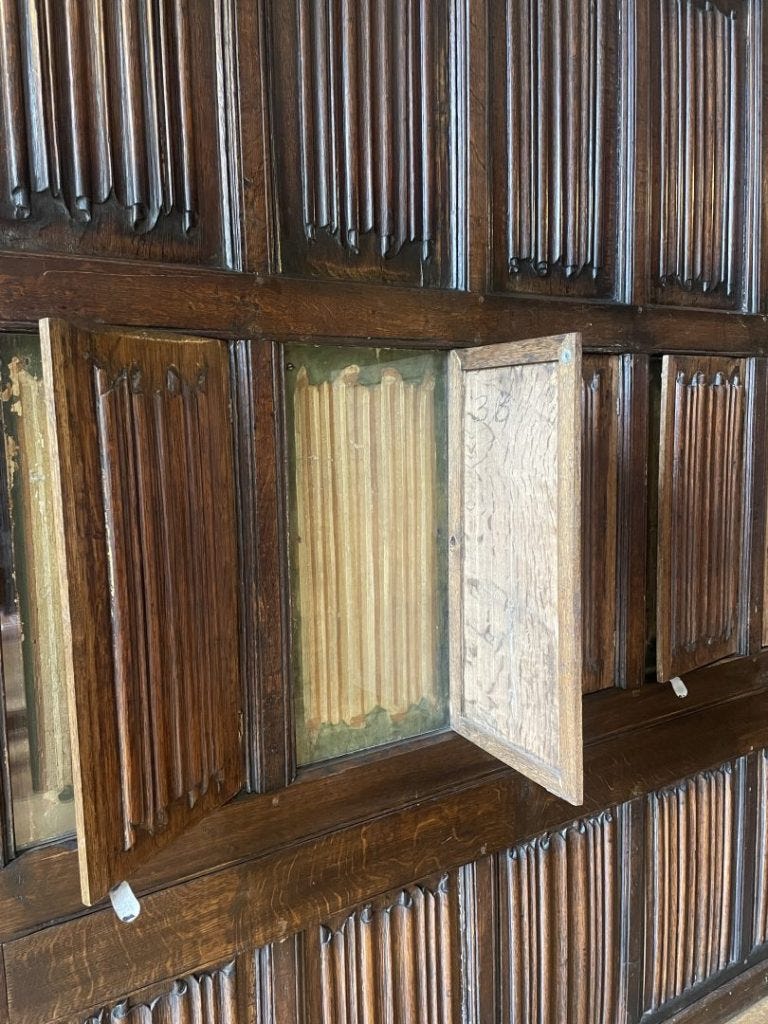
This is possibly something place here temporarily while you waited for the real wooden panels to be delivered, a bit like having patches of paint while you decide on the colour you want on the walls!
During the 1980s the paneling was shockingly stolen. Under the guise of having it removed for containing asbestos, thieves posing as the councils sold it to an antique dealer who thankfully realised what it was and managed to save it for posterity, returning it to its rightful home during the restoration.
John Machell was a wool merchant and the house passed to his son, John Machell Junior. Tragedy came to this John when his wife, Frances Cotton died while giving birth to twins at Sutton House. It’s said the ghost of Frances, the ‘grey lady’ is occasionally seen walking through the rooms in search of her children.
The Painted Stairs
Heading upstairs you are greeted with another extraordinary bit of home decor in these painted stairs.
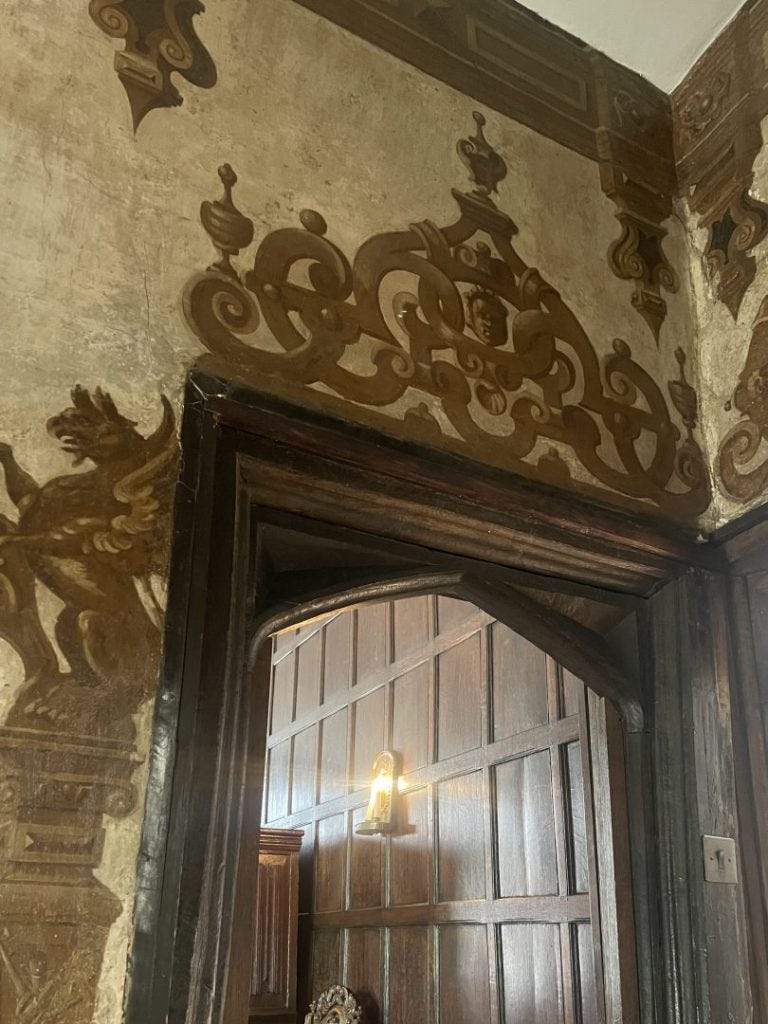
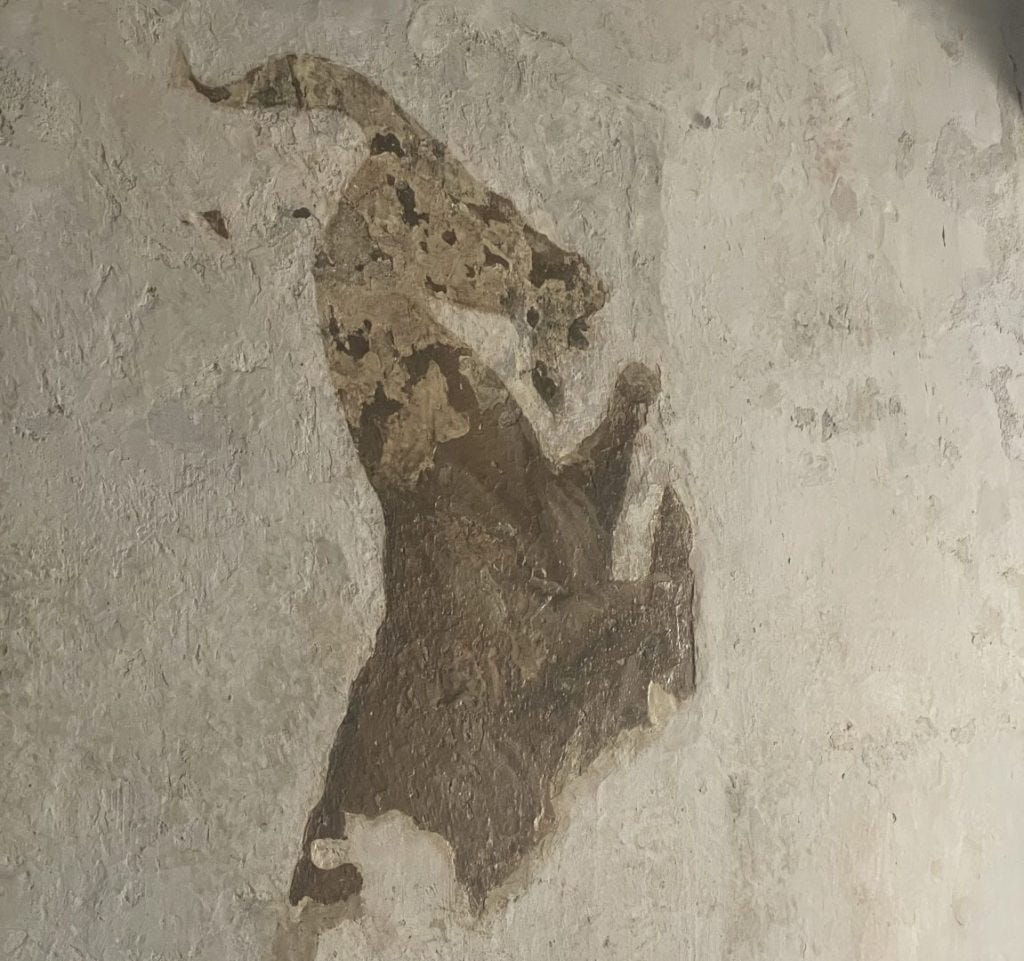
Completed when the house was owned by John Millward during the 1620s, these paintings were meant to have a Trompe L’oeil effect to trick you into believing they were three dimensional carved oak stairs.
Patchy and faded today, it’s hard to imagine how convincing they might have been 400 years ago.
John Millward was a governor of the East India Company and a Merchant Adventurer. Primarily he dealt in silk but was an important part of the company as they moved into the slave trade and his lavish decoration of Sutton House was fuelled by their profits.
The Great Chamber
In Sadler’s day this room would’ve sat above a great hall of the same size on the ground floor.
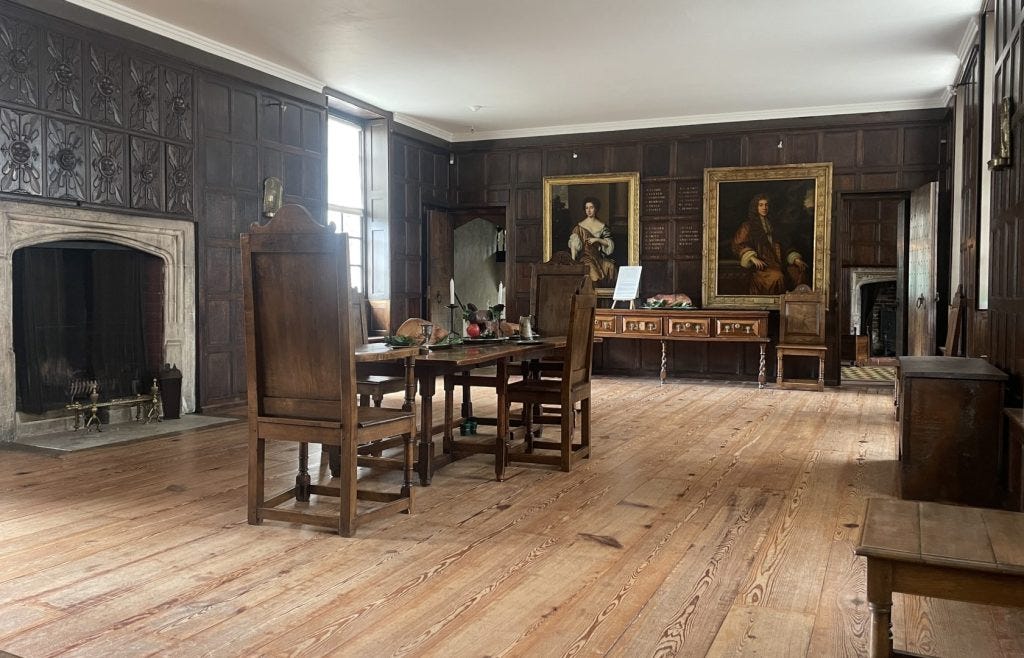
Ideal for hosting parties, the typical form was a banquet of savoury food downstairs then heading upstairs for the sweet course then dancing the night away. This fact seems to be corroborated in the fact that under the floor are double joists, making it secure for raucous Tudor jumping around. What an image!
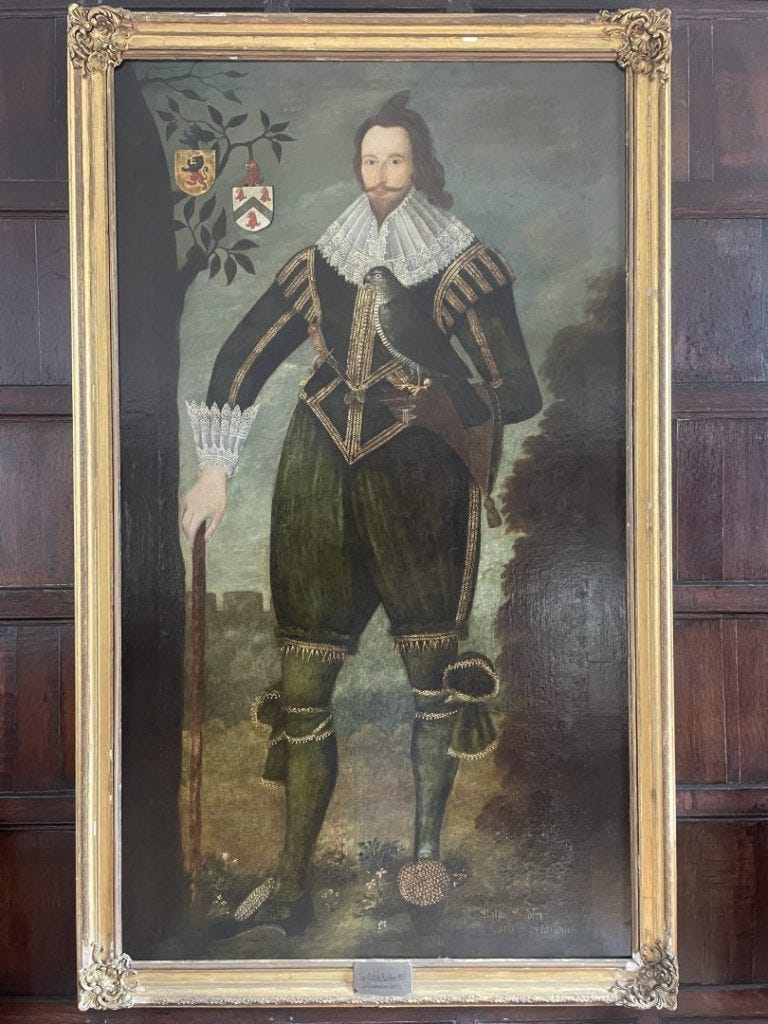
More wooden panelling covers the walls here but some of the most interesting features are the paintings.
At one end there’s a painting of Ralph Sadler. Now confusingly, this is not our Ralph Sadler but rather his great-grandson also called Ralph Sadler (1586-1660).
At the other end is a double portrait of more of Sadler’s relatives, Sir Edwin and Lady Mary Sadler, painted in 1687.
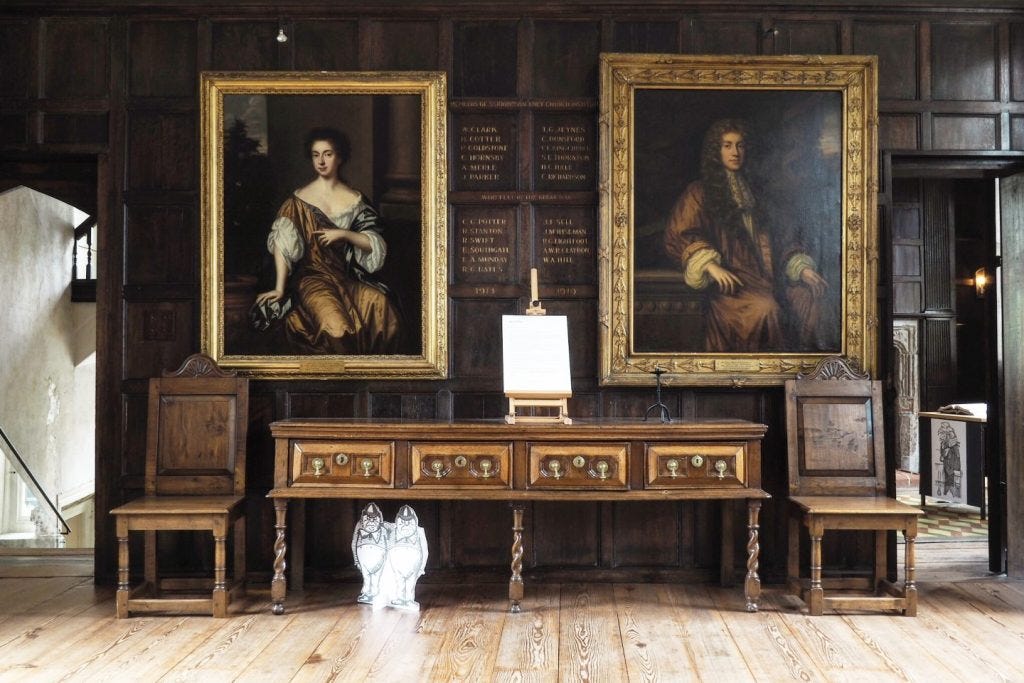
What’s fascinating about these is that they’re by the painter Mary Beale (1633-99), a hugely successful female painter who completed many Stuart portraits. She lived and worked on Pall Mall on the site of the Philip Mould gallery today and you can see her paintings in Tate Britain.


Sutton House as a Home, School and Institute
Into the late 17th century Hackney – still leafy suburb – was considered a hub of education, particularly for girls. In 1687 Mrs Freeman’s School for girls was established here.
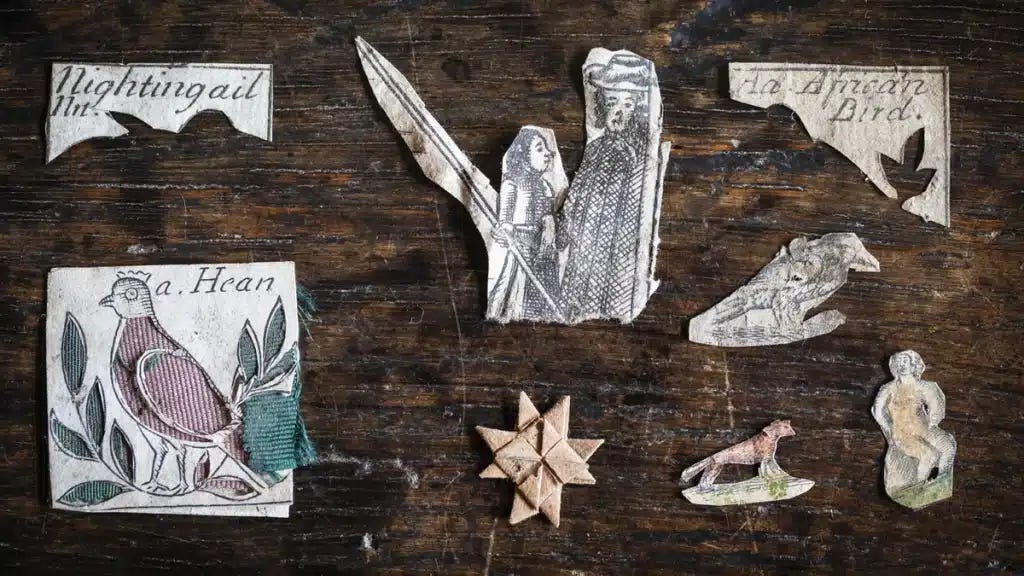
Recently, some charming 17th century paper cuttings – made at the time of Mrs Freeman’s girls school – were discovered. You can read the full press release here and watch a short video here.
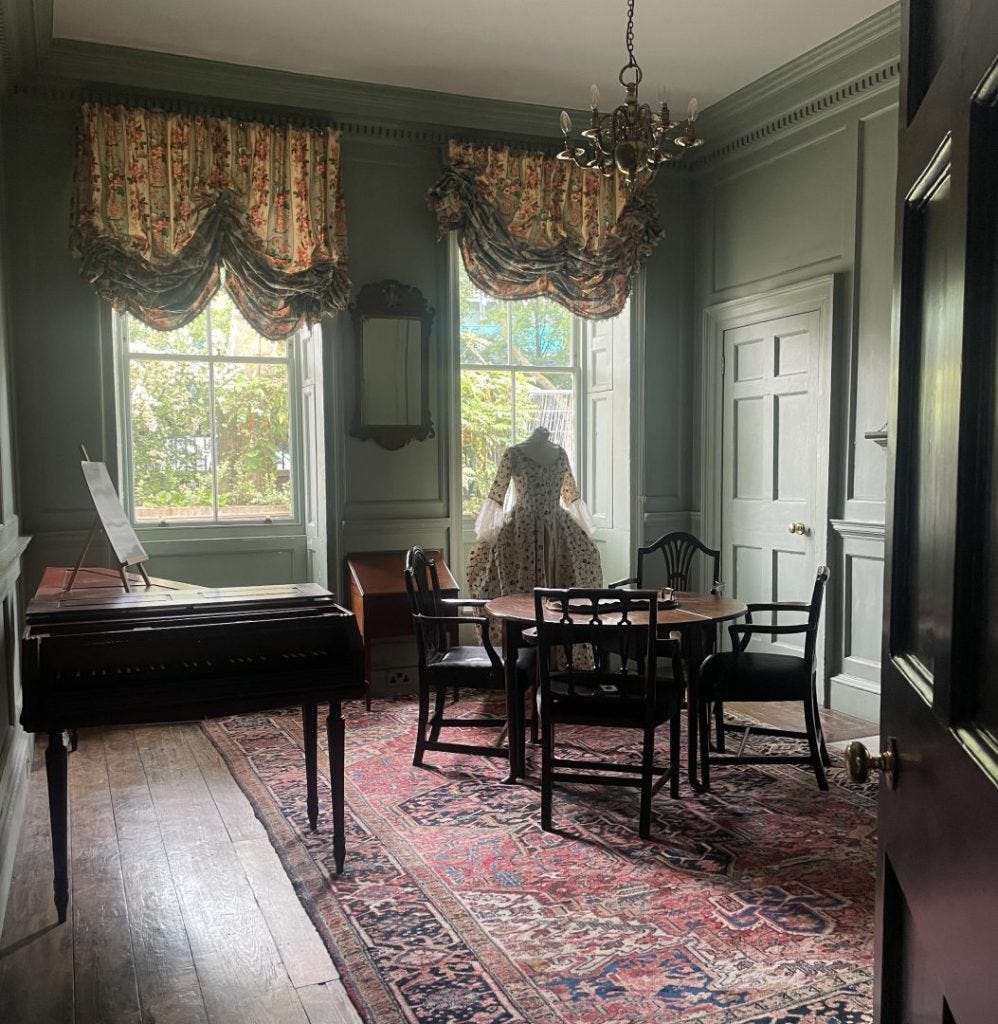
Rooms throughout the house provide a snapshot of other stories through time, with the Georgian Parlour introducing us to Mary Tooke, a wealthy Huguenot who moved into Sutton House in 1743. Here we see a room made for entertaining guests and for enjoying your hobbies like reading or needlework.
Sutton House was split into two homes (Picton House and Milford House) in 1752 and the whole area underwent major changes as the fields of Hackney were swallowed up by the ever increasing population of London.
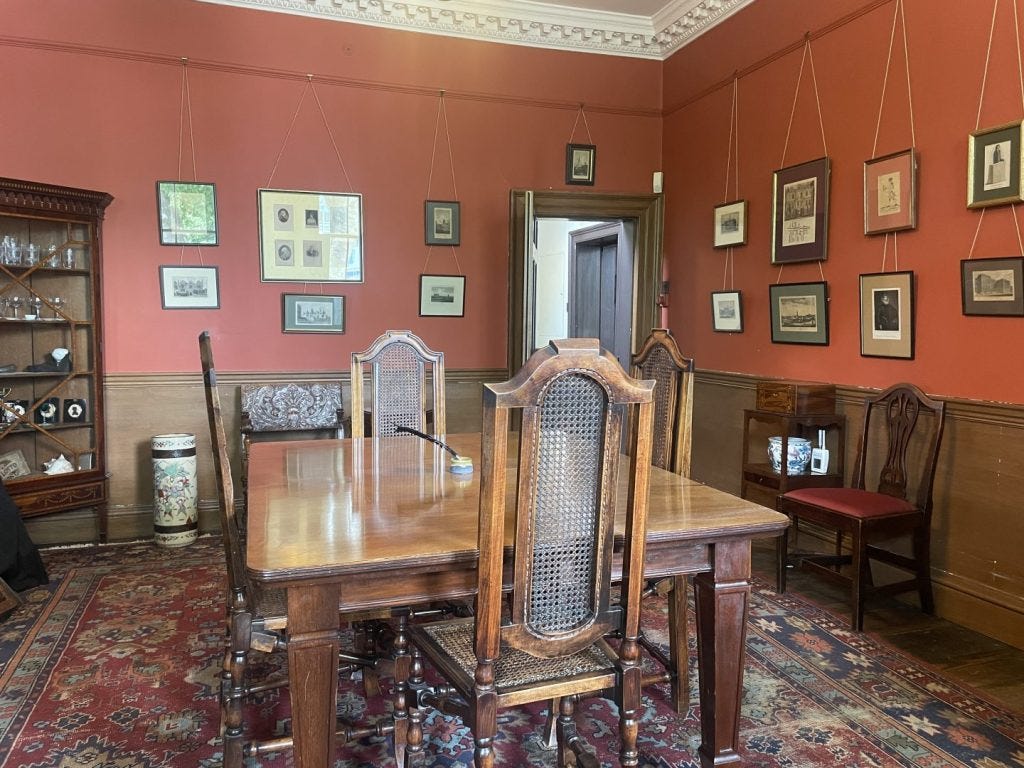
Victorian solicitor Charles Pulley lived at Picton House for over 40 years, dying in 1864. The Victorian Parlour is again set out to entertain guests with fancy china and silverware decorating the walls.
Next door at Milford House (and continuing the education theme) was a girls’ boarding school that was here from 1837-75 run by William and Eliza Temple. During the restoration of Sutton House in the 1990s many objects from this time as a school – shoes, pamphlets, gloves and embroidery – were discovered under the floorboards.
In 1891 the house was once again reunited and became another worth establishment known as St John-at-Hackney Church Institute. This provided homes for 12-20 men and acted as a youth club and skills hub, with the Great Hall becoming a place for card games and billiards. Many of these men would enlist in the First World War and tragically never returned home.
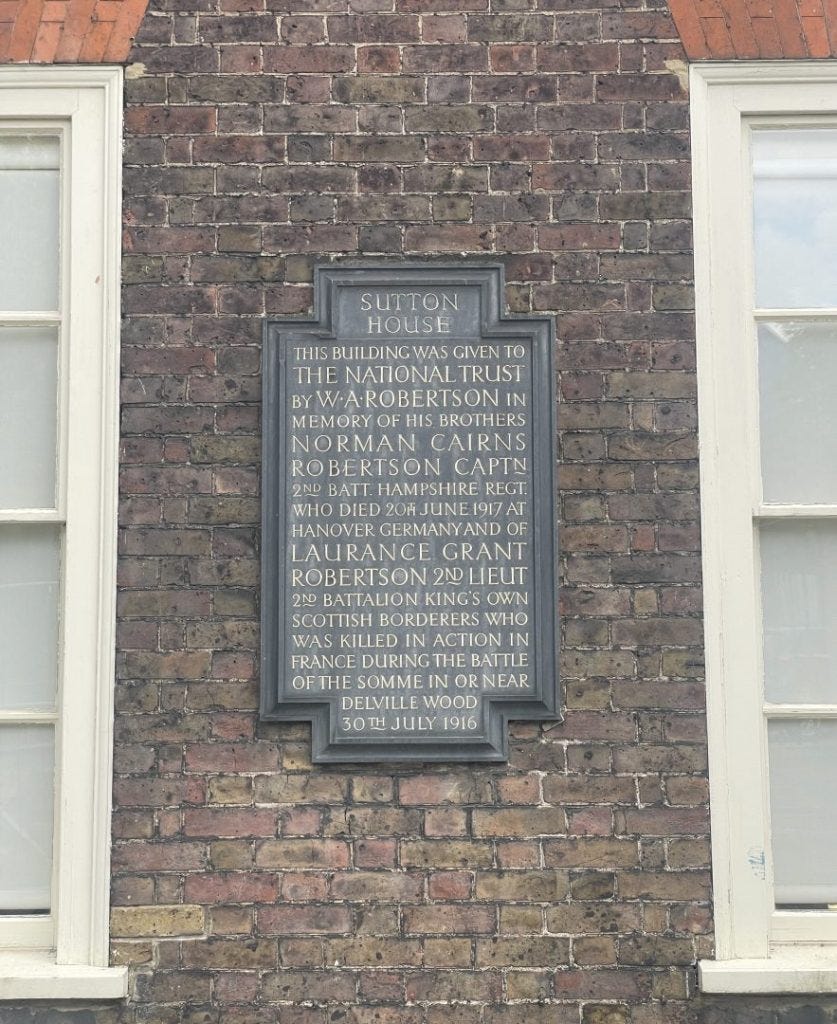
In 1938 Sutton House was acquired by the National Trust thanks to bequest from William Alexander Robertson (1871–1937) in memory of his two bothers that were killed during the First World War.
You can find a plaque recording this generosity on the wall outside.
The 1980s Squat
One of the biggest surprises of Sutton House is up in the attic where it’s been preserved as an 1980s squat.
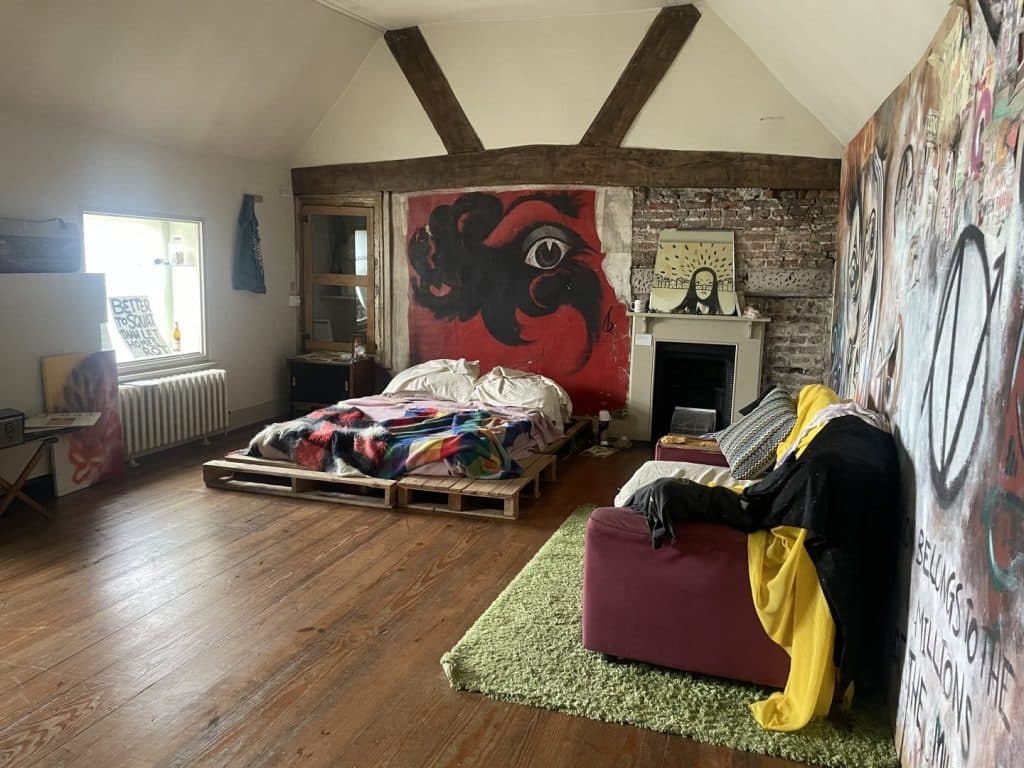
The National Trust needed more funds to renovate the office and were looking for a business to serve as an office tenant to raise money. But while it lay empty it was squatted from the 1980s.
Immediately this conjures images of tearing out the panelling for firewood or leaving the house in a mess but this couldn’t be further from the truth.
Sutton House served a community hub throughout the 1980s with about 8 people living here and offering theatre workshops, gigs, plays, community projects and a vegetarian cafe.
It was a well-used local centre and despite the eventual noise complaints leading to their eviction it’s thanks to the work involving local people who viewed it as ‘their’ resource that enough money was raised to renovate Sutton House in the 1990s, making sure it didn’t fall into private hands.
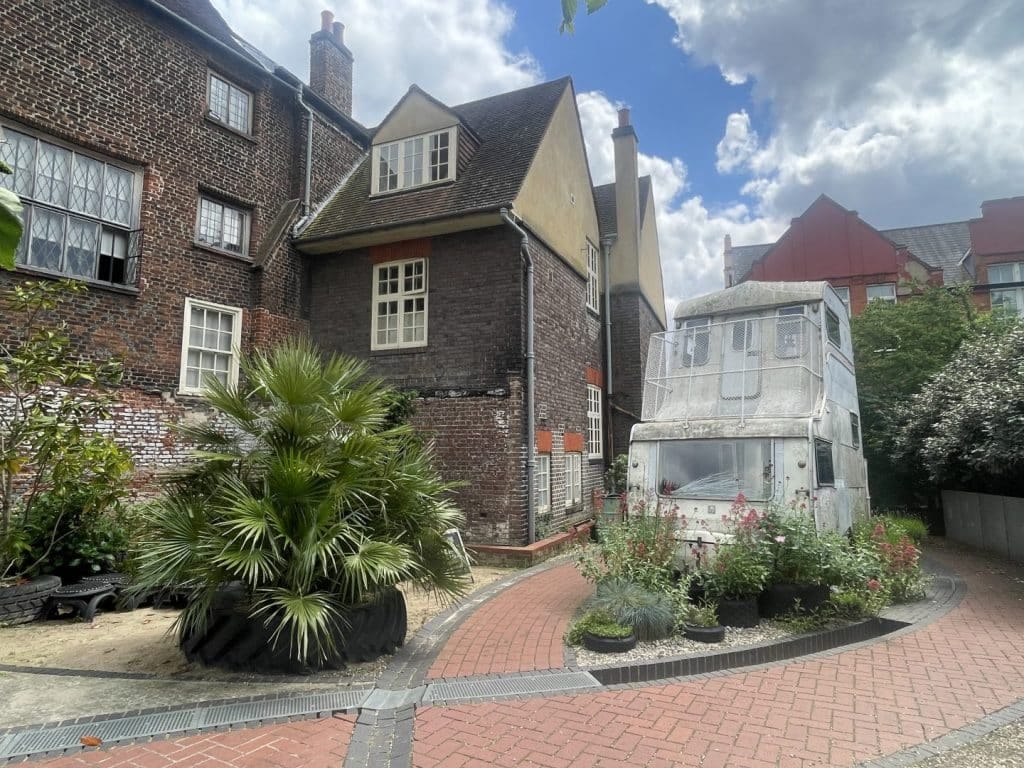
From 2005 the National Trust acquired Breaker’s Yard next door and it’s been transformed into a community garden adding yet another exciting clash of old and new.
Visit Sutton House
So within the oldest home in Hackney you can travel through the ups and downs of Tudor politics, experience the luxury of an East India Company merchant, see glimpses of the lives of Georgians and Victorians then burst into the 1980s with an attic bedecked with faded posters and murals.
Sutton House is truly a trip through London’s history all in one place and I highly recommend visiting this unique place.
You can find out more about opening times and see updates about buying tickets to visit on the National Trust website here.
Great article, and we're looking forward to hosting Hackney History Festival here in May for the 3rd time.. Join us!
Very interesting. Thanks. And especially tying it to Ralph Sadler thomas Cromwell and Hillary Mantell books.