
Exploring Tower Hamlets Cemetery Park
East London's 'Magnificent Seven' Cemetery

It might not be as famous or star-studded as Highgate or Kensal Green, but Tower Hamlets Cemetery Park is one of Mile End’s most charming places to explore.
Because of the 19th century population boom, London needed new burial grounds on the outskirts of London. The City of London and Tower Hamlets was created by Act of Parliament in 1841, one of the ‘Magnificent Seven’ which encircled urban London.
Today it’s looked after by the Friends of Tower Hamlets Cemetery Park and is a welcome green space, a piece of woodland where EastEnders can breathe, contemplate and get back to nature.
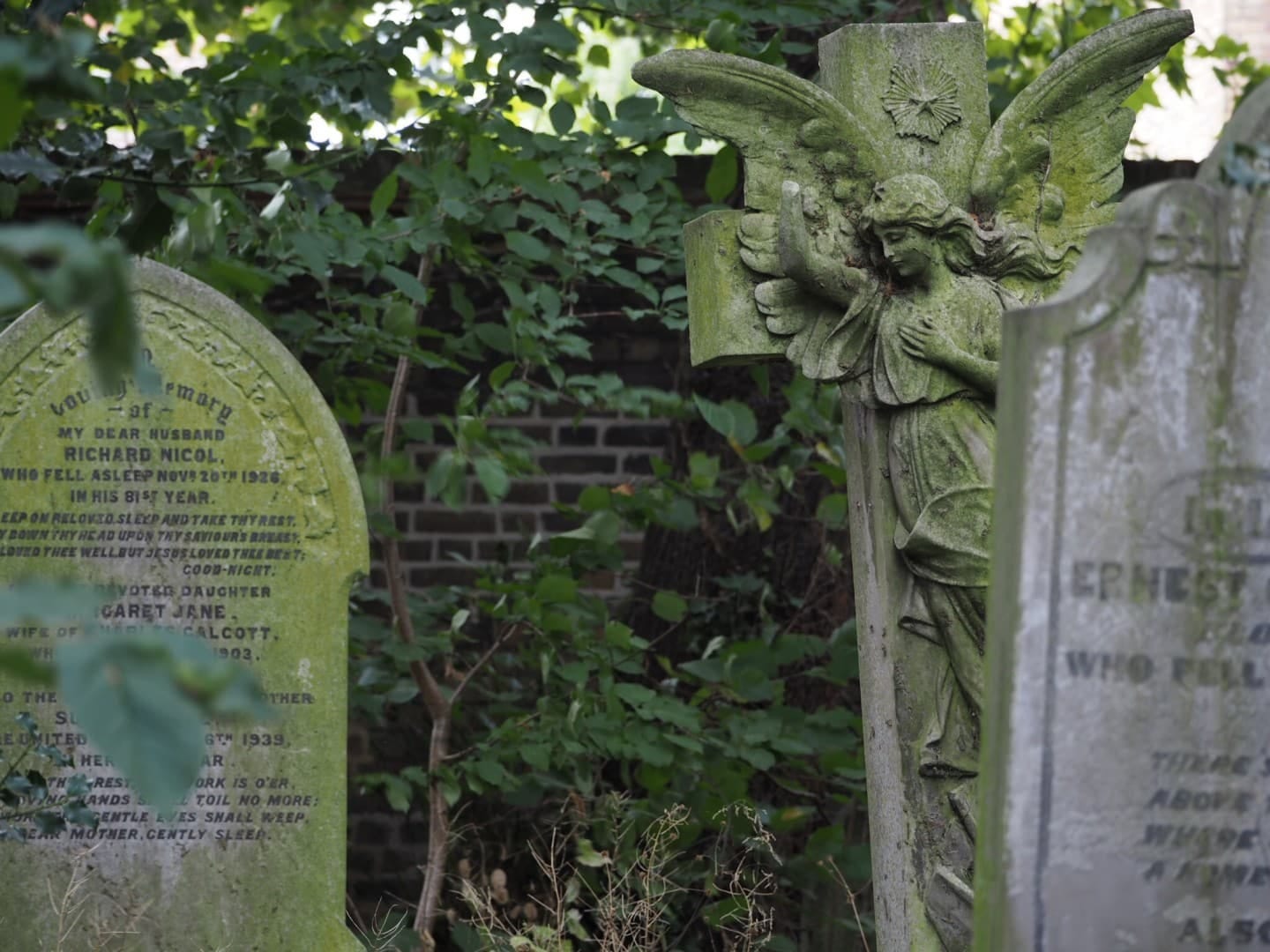
History of Tower Hamlets Cemetery Park
The City of London and Tower Hamlets Cemetery Company purchased around 30 acres for their cemetery, creating a final resting place for different religious denominations and public spaces for those that couldn’t afford a private plot.
This was the fate of the majority of residents – as we’ll see later – and some of the mass graves here have around 40 people buried together.
And such was the need for burial space in East London, that around 40 years after it opened, Tower Hamlets Cemetery Park had almost 250,000 bodies interred on its site.
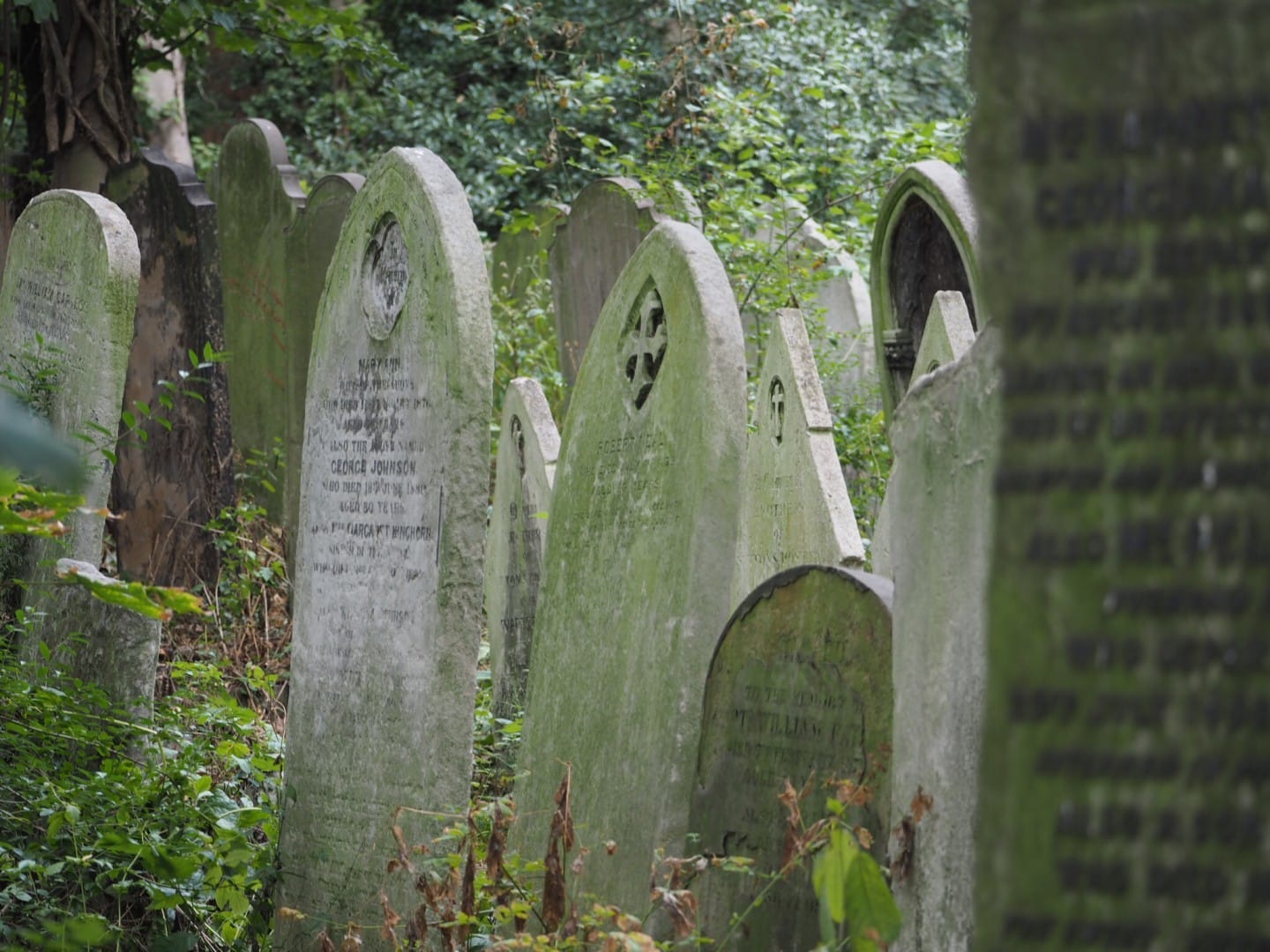
Known locally as Bow Cemetery, the gravestones reflects the eclectic residents of East London; the wealthy and poor, colourful characters and hard-working locals. It also suffered – just as most of the East End did – during the Second World World, getting hit by bombs 5 times.
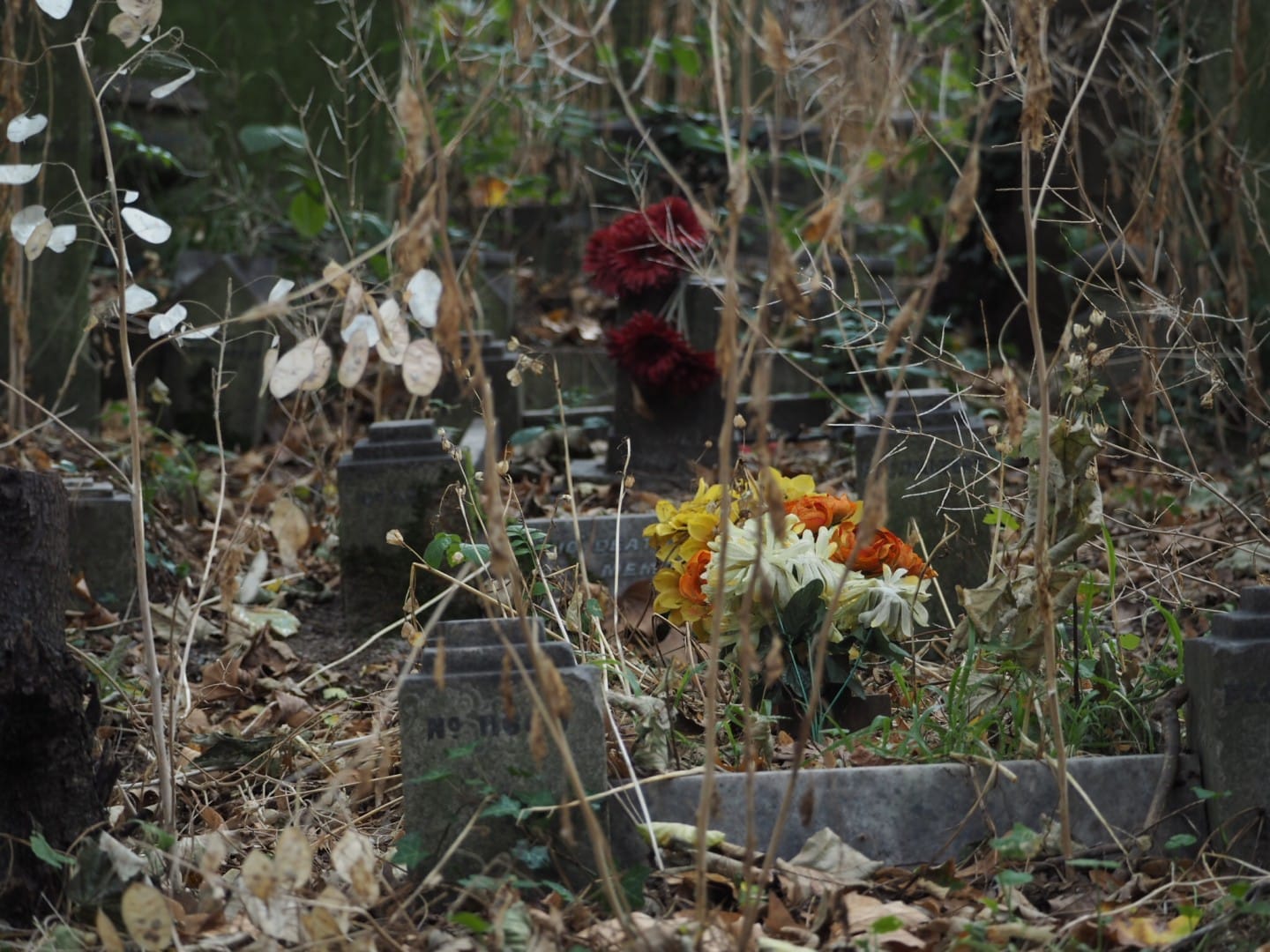
A working burial ground until 1966, it was then turned into a park. A lucky escape for somewhere that was threatened with being completely cleared a year later.
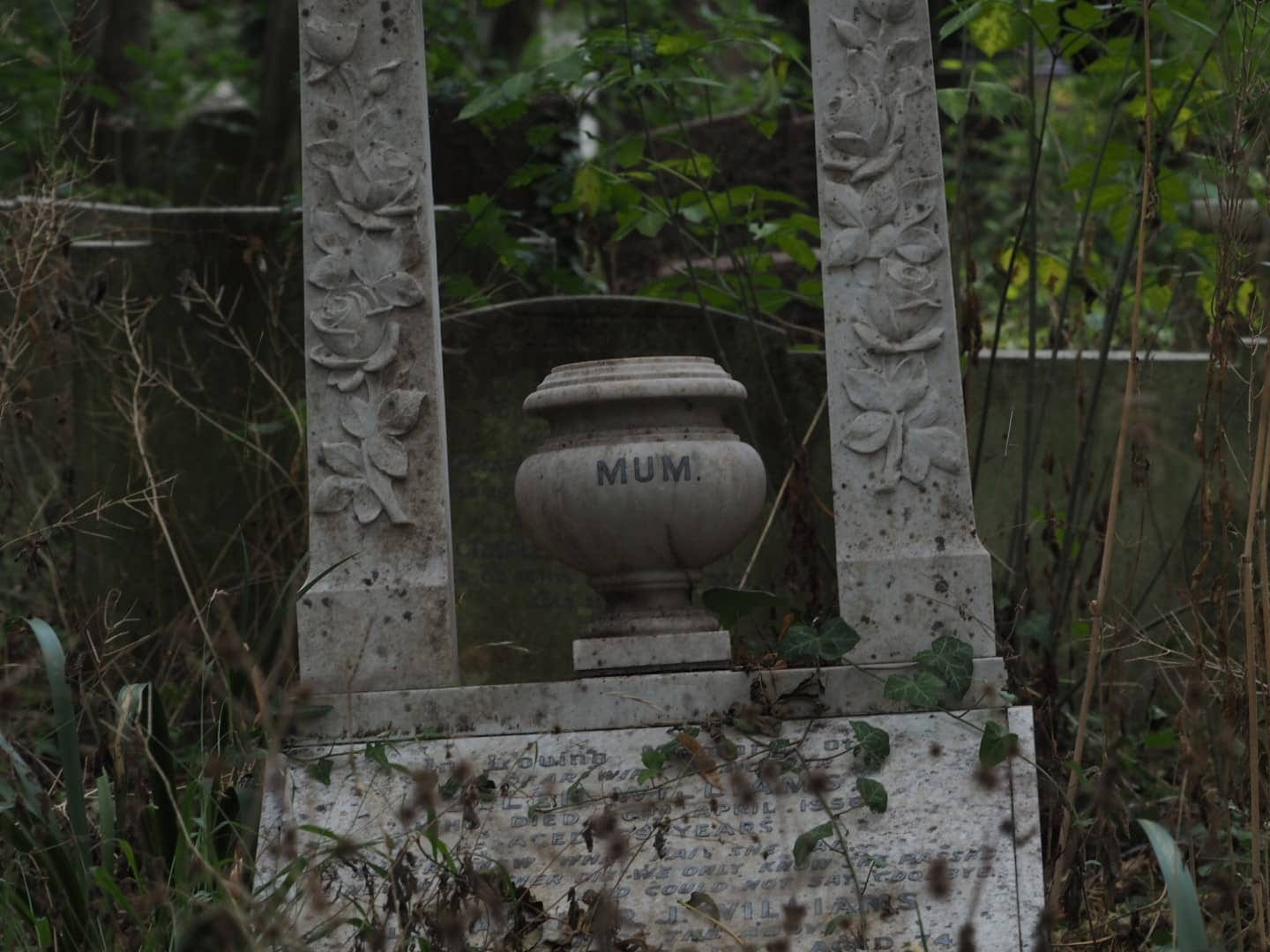
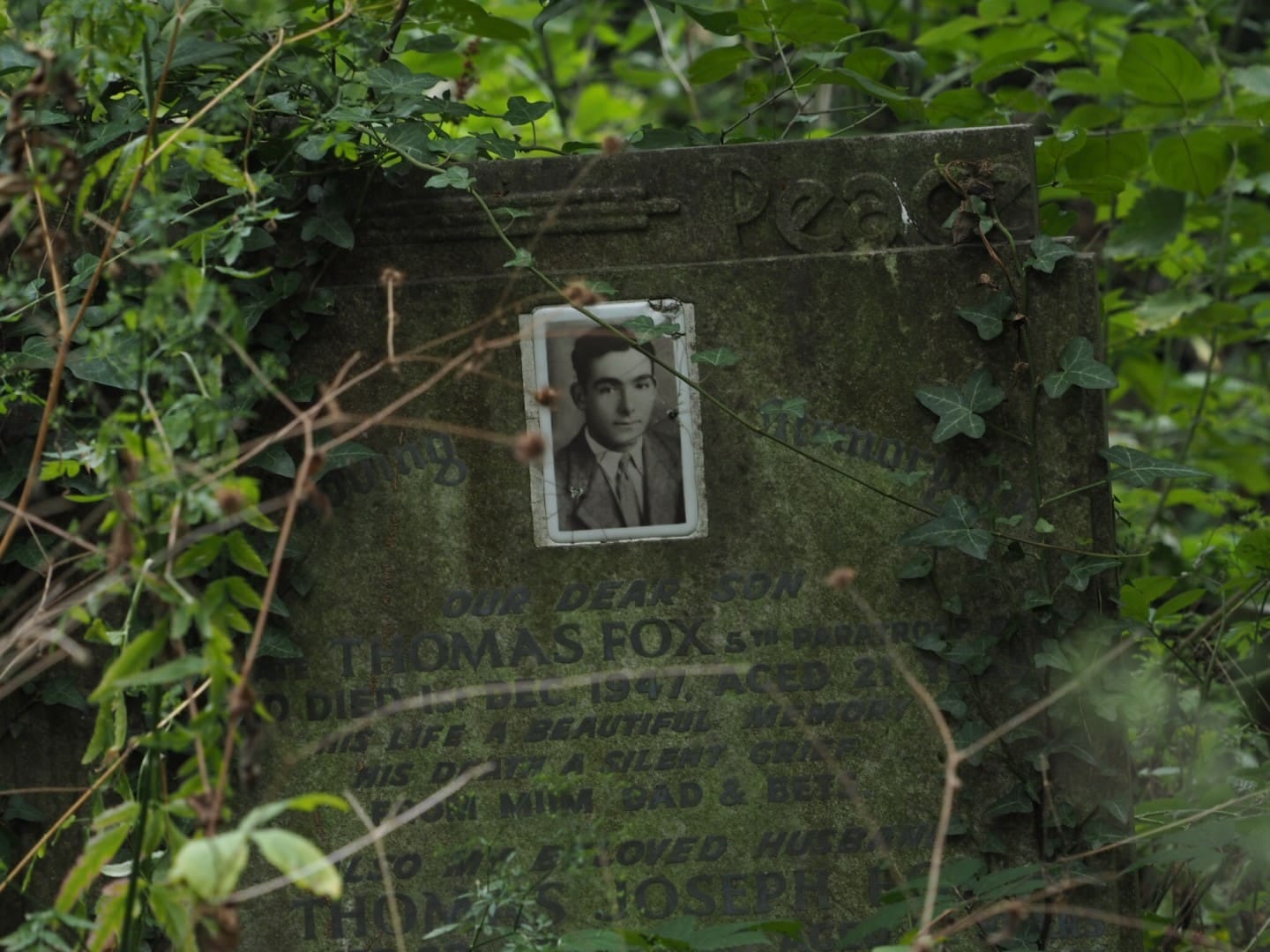
It became a designated local nature reserve in 2000. The destruction and dilapidation are part of its charm, overgrown headstones with barely-visible names hinting at lost human stories.
Who’s Who?
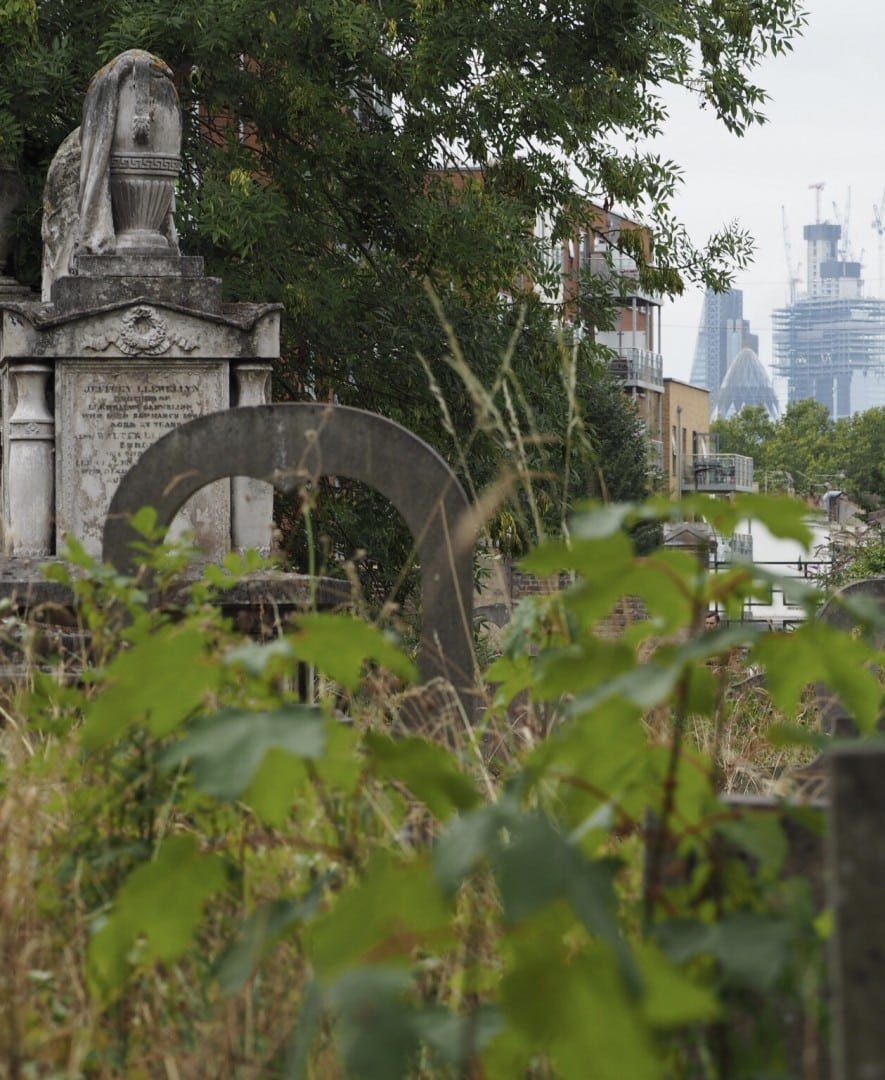
As discussed, Tower Hamlets Cemetery doesn’t boast world-famous names like Karl Marx, but that doesn’t mean there aren’t incredible people who deserve to be remembered. These are some of my favourites…
Alfred Linnell (1840-1887)
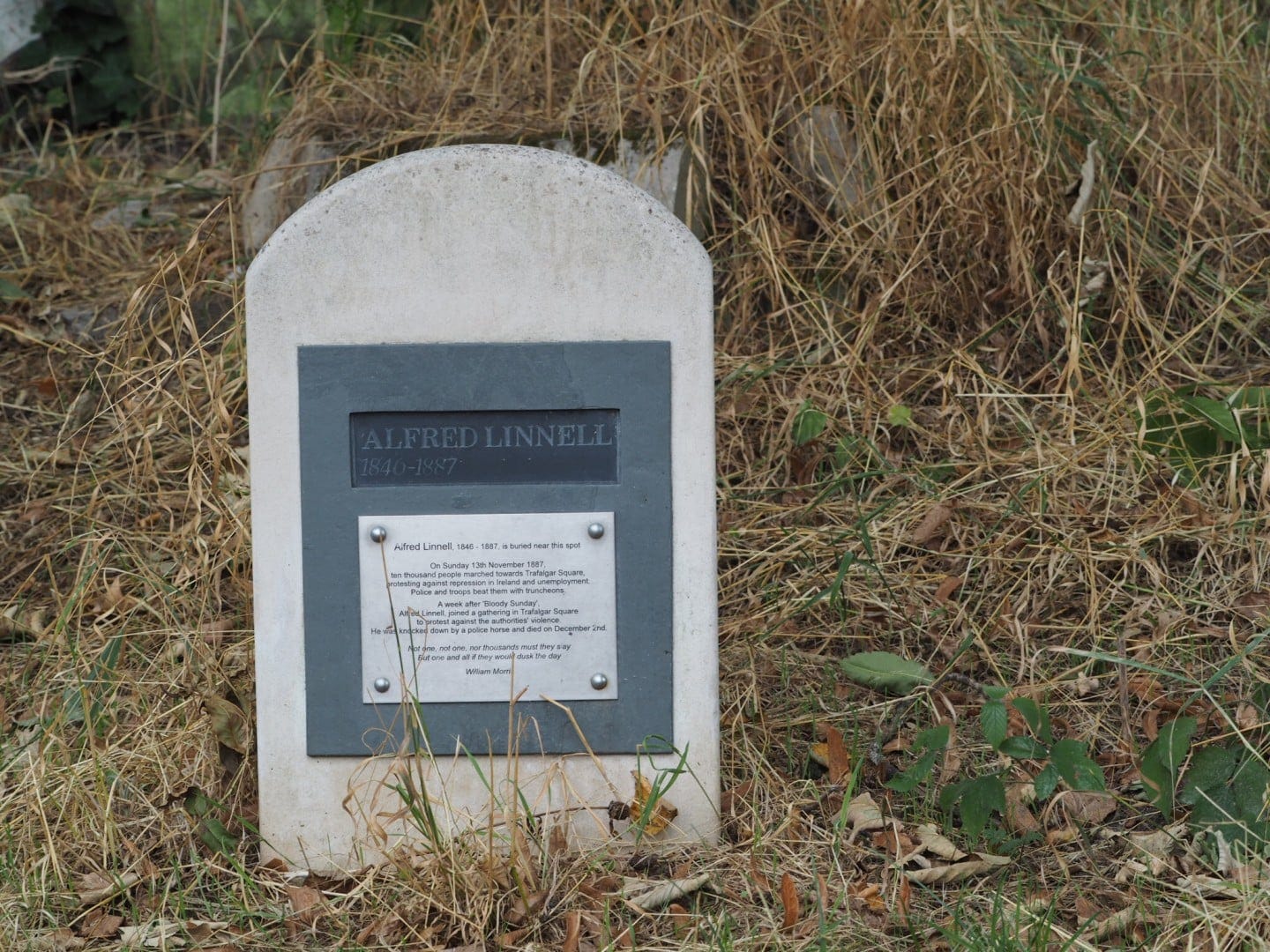
A modern tombstone remembers Alfred Linnell, buried somewhere near this spot. On Sunday 13 November 1887, 10,000 people marched to Trafalgar Square protesting repression in Ireland, unemployment and inequality. Violence broke out and police beat those marching with truncheons. A week later this event, Linnell joined a gathering to protest the violence scenes, only to be knocked down by a police horse. He died of injuries on 2 December.
Dr Rees Ralph Llewellyn (d.1921)
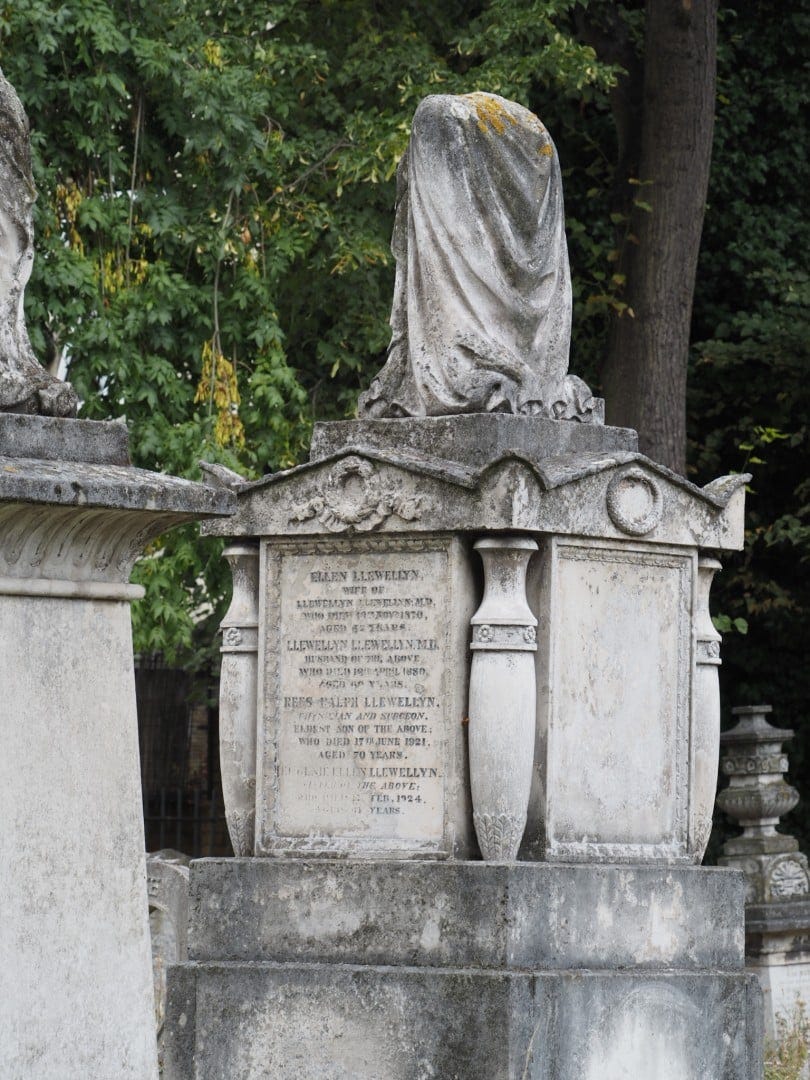
It seems you can’t ever mention the East End without the spectre of Whitechapel murderer rearing his head. One of the more impressive and infamous tombs belongs to Dr Llewellyn, the man who performed the autopsy of Mary Ann Nicholls, found murdered on 31 August 1888 and considered by most people to be the first victim of the killer later known as Jack the Ripper.
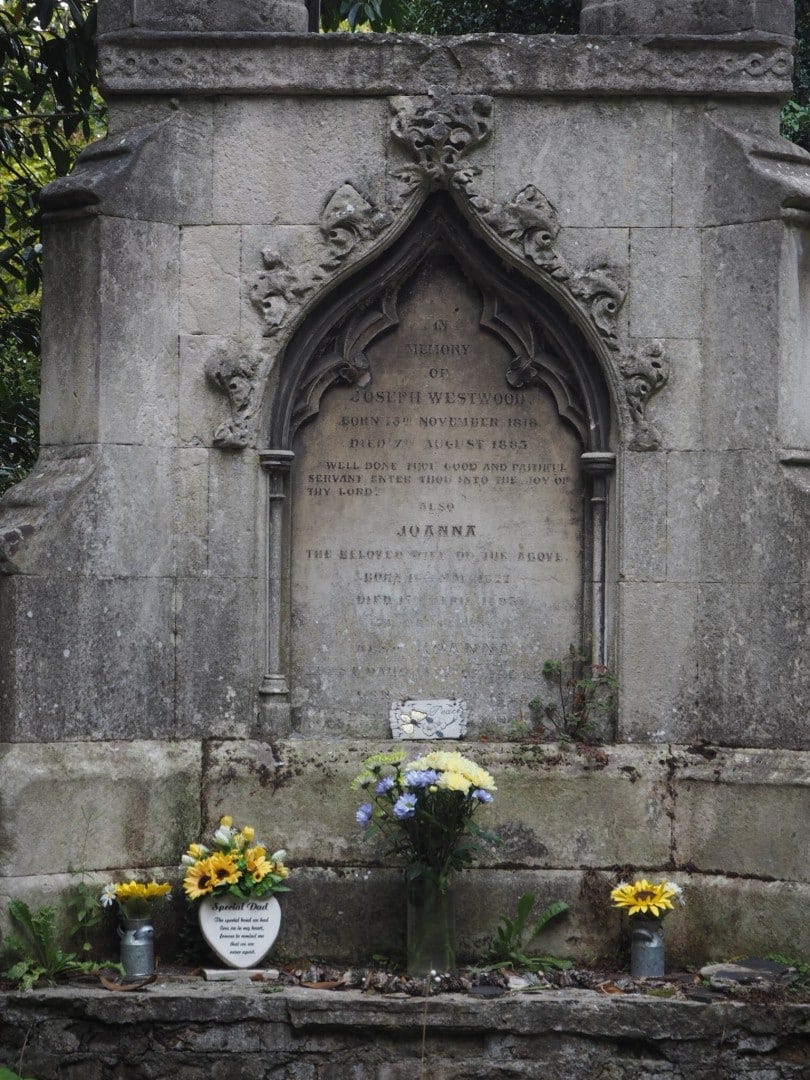
Joseph Westwood (d.1883)
Probably the most eye-catching memorial in the cemetery is the Grade-II listed Westwood family monument.
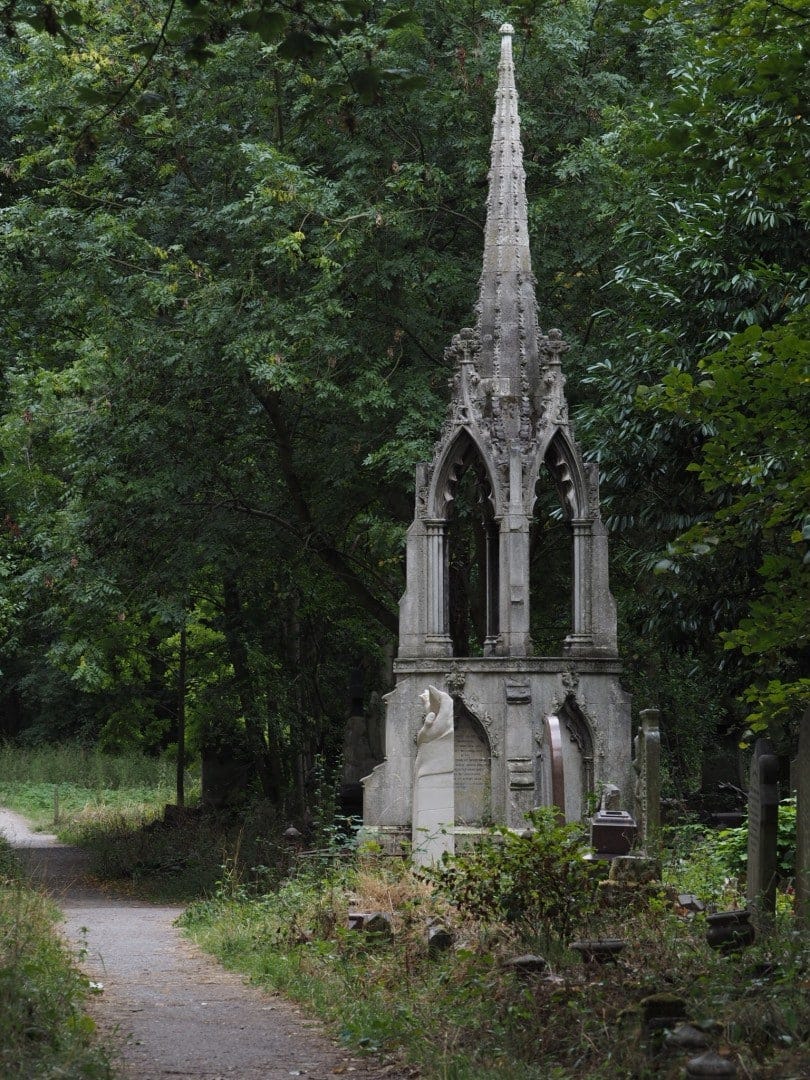
Joseph was a businessman, running a shipbuilding company. Eventually this became Thames Iron works whose employees went on to found Thames Ironworks FC. This in turn became West Ham Football Club, whose nickname ‘The Hammers’ harks back to their club’s history.
Charles Jamrach (1815-1891)
If you were in 19th Century London and found yourself in need of an exotic animal, the best place to go would be Jamrach’s menagerie. The leading dealer in birds, shells and wildlife who supplied P.T. Barnum among others, the most famous incident was with a Bengal Tiger.
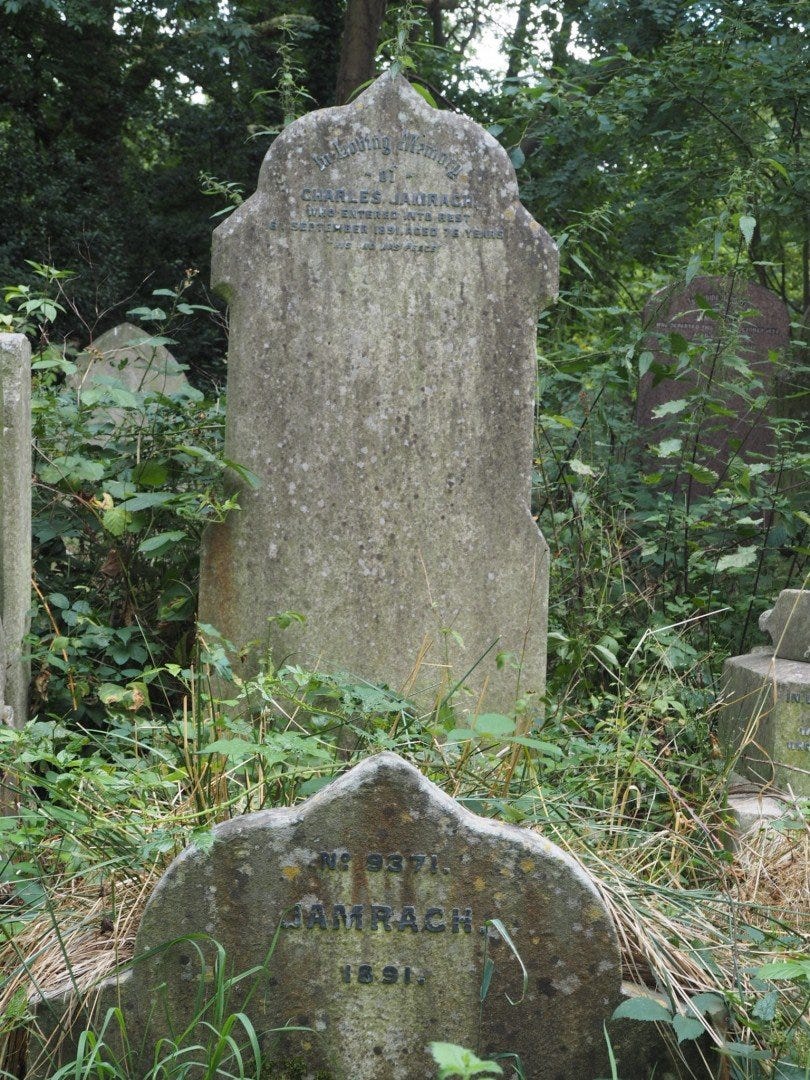
In October 1857 the newly acquired tiger escaped, making its way onto the Ratcliffe Highway where it almost attacked a young boy. Jamrach led the rescue party, eventually subduing the tiger and thankfully the boy wasn’t badly harmed.
Today there’s a statue of Jamrach’s Bengal Tiger outside Tobacco Dock in Wapping.
Barnardo’s Children
Quite a recent and emotional monument can be found close to the Westwood Family memorial.
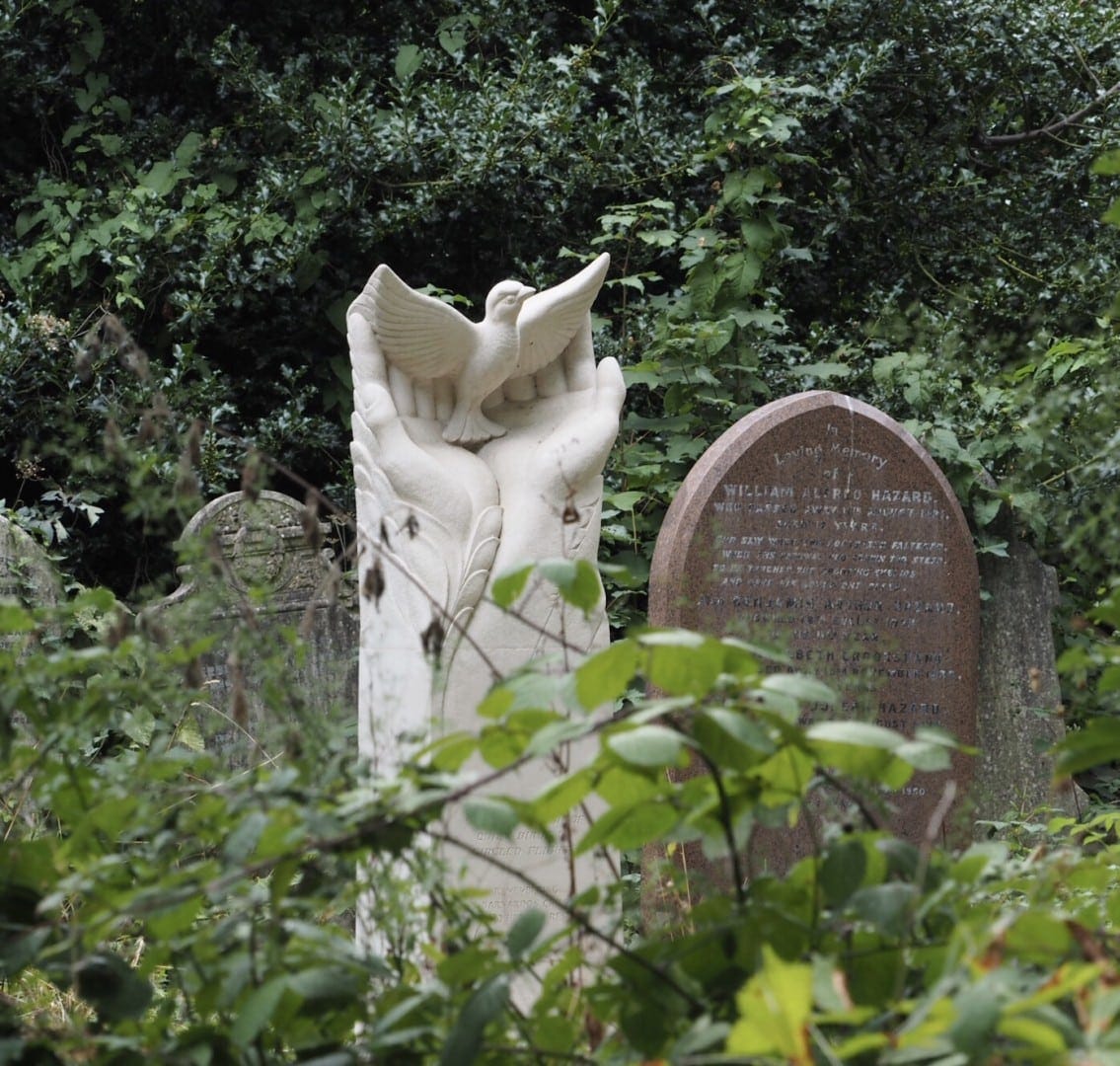
It honours the Dr Barnardo children, thought to number over 500, which were buried here between 1876 and 1924, but who couldn’t afford to have headstones.
Thomas Barnardo was working at the nearby Royal London Hospital and was so affected by the impoverished children he saw that he established a juvenile mission to help them. You can read more about this particular monument and his history here.
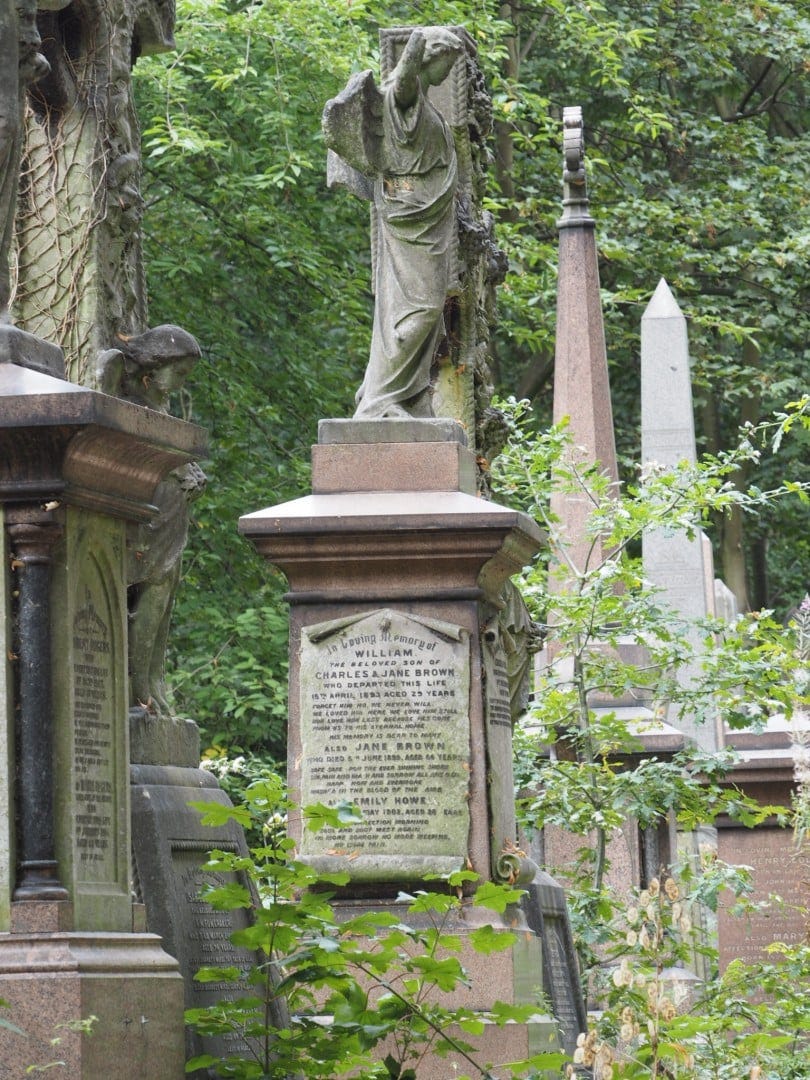
Clara Ellen Grant (1867–1949)
Following a similar theme as Barnardo, tucked off the main thoroughfare of Monuments row is Clara Grant. She also devoted her life to helping East End children and is remembered in a nearby school with her name.
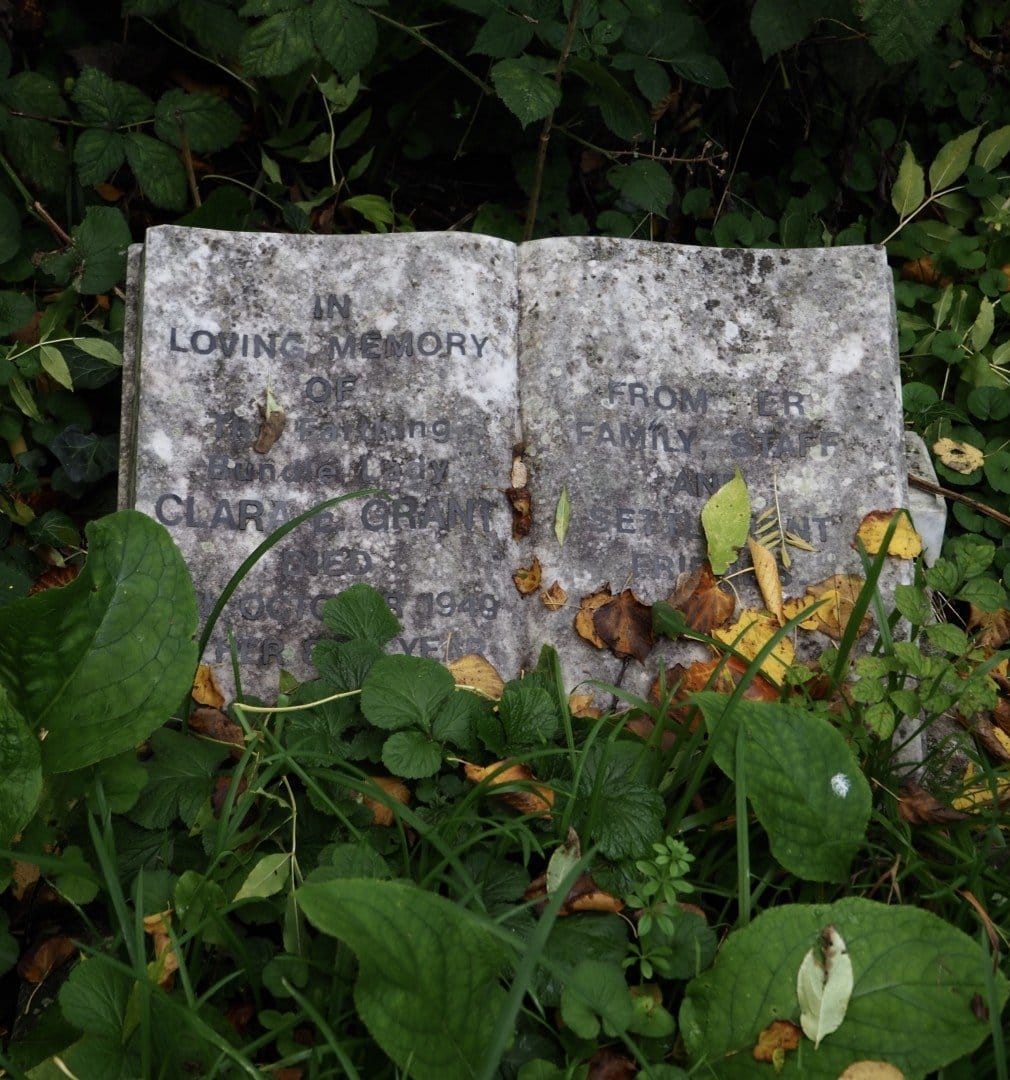
She was known as the Farthing Bundle Lady of Bow, because she sold recycled bundles of toys for local children at a farthing (the lowest denomination of coin) and was a true local heroine.
Another interesting person in this cemetery is Will Crooks, who achieved great things for the poor of Tower Hamlets through local politics....eventually as MP.
Katie...how far East do you venture?
Further along Bow Road, you get to the River Lee, with the magnificent Housemill, Grade 1 listed tide mill, part of the former distillery.
( Confession: I'm a Guide there!)